Governments weigh tougher intervention to shield households from war-driven price shocks and rising inflation

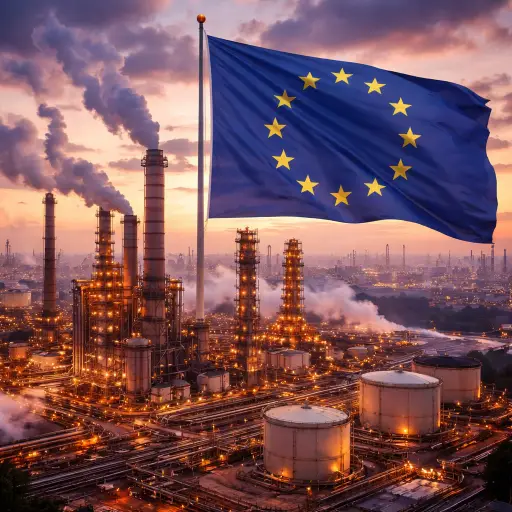
Across Europe, political momentum is building behind a renewed push to impose windfall taxes on energy companies, as governments grapple with the lingering effects of war-driven volatility in global fuel markets. Leaders meeting this week signaled a growing willingness to intervene more aggressively in the energy sector, reflecting mounting public pressure over high utility bills and persistent inflation.
The proposed measures target extraordinary profits earned by oil, gas, and electricity producers during periods of elevated prices. Policymakers argue that these gains, largely driven by geopolitical disruptions rather than innovation or efficiency, should be partially redirected to support households and businesses struggling with the cost of living.
The debate comes at a time when energy prices, though less volatile than at their peak, remain significantly higher than pre-conflict levels. Many European consumers continue to face elevated heating and electricity costs, while industries warn that sustained price pressure is eroding competitiveness and slowing economic recovery.
Several governments have already implemented temporary windfall levies in recent years, but officials now appear ready to revisit and potentially expand these frameworks. The latest discussions suggest a more coordinated European approach, aimed at avoiding fragmentation across national markets and preventing companies from shifting profits to lower-tax jurisdictions.
Supporters of the plan argue that windfall taxes represent a pragmatic response to an extraordinary situation. By redistributing excess profits, governments could fund targeted relief measures, including direct subsidies, tax rebates, or expanded social programs. Advocates also contend that such policies can help restore public trust, particularly at a time when energy firms are reporting strong earnings while many households struggle to pay their bills.
Critics, however, warn that increased taxation could deter investment in energy infrastructure, including the transition to renewable sources. Industry representatives argue that stable and predictable policy frameworks are essential for long-term planning, especially as Europe seeks to accelerate its shift away from fossil fuels and reduce dependence on external suppliers.
There are also concerns about the complexity of defining and calculating “excess” profits. Energy markets are inherently cyclical, and companies often argue that high returns in one period offset lower margins in others. Policymakers must therefore balance the need for fairness with the risk of unintended consequences, including reduced supply or delayed investment.
Despite these challenges, political appetite for action appears to be growing. Public frustration over energy costs remains high, and governments face increasing pressure to demonstrate that they are protecting citizens from external shocks. The issue has become particularly sensitive as broader inflation continues to weigh on household budgets across the continent.
The renewed focus on windfall taxes also reflects a broader shift in Europe’s economic policy landscape. In recent years, there has been a noticeable move toward greater state involvement in key sectors, driven by crises ranging from the pandemic to geopolitical conflict. Energy, given its strategic importance, has become a central arena for this evolving approach.
As discussions continue, the shape and scope of any new measures remain uncertain. Some countries favor a temporary extension of existing levies, while others are pushing for more structural reforms that could be activated during future crises. The European Commission is expected to play a key role in coordinating efforts and ensuring that any framework aligns with broader market rules.
What is clear is that the debate over windfall taxes is no longer a marginal issue. It sits at the intersection of economic policy, social equity, and energy security—three priorities that are increasingly intertwined in today’s Europe.
For now, leaders appear determined to act, even as they navigate competing pressures from voters, industry, and international markets. The coming weeks are likely to shape not only the future of energy taxation in Europe but also the broader role of government in managing economic shocks in an uncertain world.