Record international participation underscores the growing appeal of endurance sports across the continent.

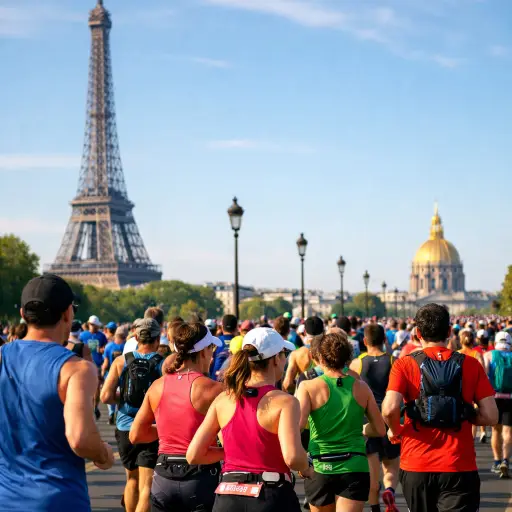
The streets of the French capital are once again alive with the rhythmic cadence of thousands of runners, as this year’s Paris Marathon draws an unprecedented wave of participation. Organizers report that registrations have reached historic highs, with a remarkable surge in entries from abroad, signaling a broader shift in the global endurance sports landscape.
From the iconic Champs-Élysées to the tree-lined banks of the Seine, the race unfolds as both a sporting spectacle and a cultural event. Athletes of all levels, from elite competitors to first-time marathoners, have converged on Paris, united by a shared determination to complete one of Europe’s most celebrated races.
What sets this edition apart is not only the sheer volume of participants, but the diversity of backgrounds they represent. Runners from across Europe, North America, Asia, and beyond have flocked to the event, drawn by its reputation for scenic beauty and organizational excellence. For many, the Paris Marathon has become a destination race — an opportunity to combine athletic ambition with travel and cultural discovery.
“This year feels different,” said one race coordinator, noting the unprecedented international demand. “We’ve seen a significant increase in participants traveling from overseas. It reflects how endurance sports are becoming more global, more accessible, and more appealing to a wider audience.”
The surge in participation aligns with a broader trend across Europe, where endurance sports — particularly long-distance running — have experienced a notable rise in popularity. Experts attribute this growth to a combination of factors, including increased health awareness, the influence of social media communities, and the accessibility of training resources.
In cities across the continent, running clubs have multiplied, and major races are filling up faster than ever. The marathon, once considered an elite athletic pursuit, has evolved into a personal challenge embraced by amateurs seeking both physical and mental achievement.
In Paris, the atmosphere reflects this shift. Spectators line the route in dense crowds, cheering on runners with a fervor typically reserved for major sporting events. Live music, street performances, and community gatherings transform the marathon into a citywide celebration.
Local businesses are also feeling the impact. Hotels, restaurants, and retailers report increased activity as visitors extend their stays to experience the city beyond race day. The economic ripple effect underscores the marathon’s significance not just as a sporting event, but as a driver of tourism.
For many participants, however, the focus remains intensely personal. Months of preparation culminate in a single day of effort, resilience, and, often, emotional triumph. Stories of perseverance — runners overcoming injury, raising funds for charities, or marking personal milestones — are woven into the fabric of the event.
“I trained through winter mornings and long evenings,” said one participant from abroad. “Crossing that finish line here, in a city like Paris, is something I’ll never forget.”
As endurance sports continue to gain traction, events like the Paris Marathon are poised to grow even further in scale and significance. Organizers are already considering ways to accommodate rising demand while preserving the race’s unique character and logistical efficiency.
Yet amid the expansion, the essence of the marathon remains unchanged: a test of endurance, a celebration of human spirit, and a shared experience that transcends borders.
As runners make their way through Paris, their footsteps echo a broader movement — one that is redefining how people engage with sport, health, and community across Europe and beyond.