Washington presses ahead with military operations as Israel expands strikes in Lebanon and diplomatic efforts to halt fighting falter

A dramatic U.S. rescue operation has brought a downed fighter pilot back to safety after days of evading Iranian forces, underscoring the growing volatility of a widening regional conflict that now spans multiple fronts from Iran to Lebanon.
According to defense sources, the pilot—whose F-15 aircraft was shot down during a recent sortie—survived behind enemy lines by moving covertly through rugged terrain while avoiding patrols of Iran’s Revolutionary Guard. Intelligence officials described the search for the pilot as “intense and persistent,” with Iranian units reportedly deploying both aerial surveillance and ground teams in an effort to capture him.
The rescue, carried out by U.S. special operations forces, unfolded under cover of darkness. Helicopters entered hostile airspace as ground teams secured a landing zone, extracting the pilot after what officials characterized as “a narrow window of opportunity.” The operation is being viewed as a significant tactical success, though it also highlights the risks U.S. personnel face as the conflict deepens.
The pilot is said to be in stable condition and has been transferred to a secure location for medical evaluation. Military officials have not disclosed the precise location of the rescue, citing operational security, but confirmed it took place in an area with active Iranian military presence.
The incident comes amid an escalation of hostilities involving several regional actors. Israel has intensified its campaign against Hezbollah positions in southern Lebanon, continuing a series of air and artillery strikes aimed at degrading the group’s capabilities. Israeli forces are also advancing efforts to establish what officials describe as a “buffer zone” near the Litani River, a strategic area long associated with Hezbollah activity.
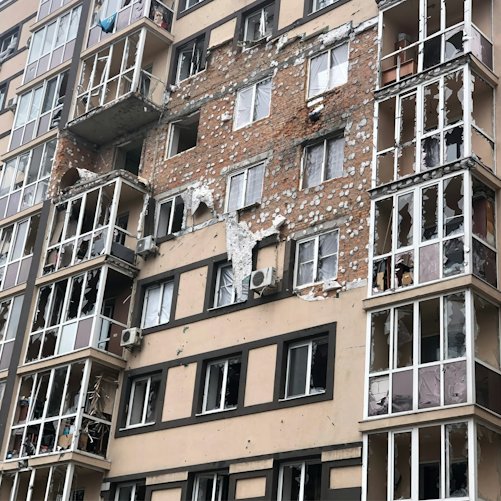
Residents in southern Lebanon have reported sustained bombardment, with infrastructure damage mounting and civilian displacement increasing. Israeli officials maintain that the operations are necessary to prevent cross-border attacks and to push militant forces farther from its northern frontier. Hezbollah, in turn, has vowed continued المقاومة and has launched retaliatory strikes, raising fears of a broader confrontation.
Meanwhile, diplomatic efforts to contain the conflict appear to be faltering. A proposal from Pakistan aimed at brokering a ceasefire between the United States and Iran has been rejected by Washington. Sources within the White House indicate that President Donald Trump has declined to endorse the initiative, opting instead to continue military operations.
The decision reflects a hardening stance from the U.S. administration, which has signaled that it views ongoing pressure as essential to achieving strategic objectives in the region. Officials argue that a premature ceasefire could undermine efforts to deter further aggression and weaken U.S. leverage in any future negotiations.
Critics, however, warn that the absence of diplomatic progress increases the risk of further escalation. Analysts note that with multiple actors engaged simultaneously—each pursuing distinct but overlapping goals—the situation has become increasingly unpredictable.
The successful rescue of the U.S. pilot offers a momentary boost for American forces, but it also serves as a stark reminder of the human stakes involved. As military operations continue and diplomatic avenues remain uncertain, the region stands at a critical juncture, with the potential for further escalation looming over an already fragile landscape.