Owners of Massimo Zanetti Beverage Group explore strategic options as consolidation pressures reshape the global coffee industry

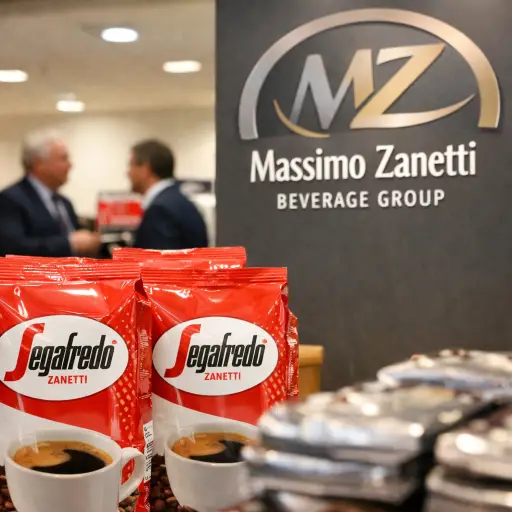
A significant transaction is taking shape in the global coffee market, as the owners of Massimo Zanetti Beverage Group, the company behind the widely recognized Segafredo brand, have initiated a process to gauge interest from potential buyers. According to financial and industry sources, investment banks Lazard and Intesa Sanpaolo-Imi have been tasked with exploring strategic options, including a potential sale that could value the business at around one billion euros.
The move signals a pivotal moment for one of the most recognizable names in the coffee sector. Massimo Zanetti Beverage Group, headquartered in Italy, has built a strong international presence over decades, distributing coffee across more than a hundred countries and maintaining a particularly strong foothold in Europe and the Americas. Its flagship Segafredo Zanetti brand is synonymous with Italian espresso culture, widely served in cafés, restaurants, and homes worldwide.
The decision to explore a sale comes at a time when the global coffee industry is undergoing a period of rapid consolidation. Large multinational players, private equity firms, and strategic investors are increasingly seeking scale, efficiency, and brand strength in a market facing rising input costs and shifting consumer preferences. The potential transaction could therefore attract interest from a diverse range of buyers, from established beverage conglomerates to investment funds looking to expand their footprint in fast-moving consumer goods.
Industry analysts suggest that the timing of the process is no coincidence. Coffee prices have been volatile, supply chains remain under pressure, and companies are being forced to adapt to changing demand patterns, including a growing preference for premium, sustainable, and specialty products. Against this backdrop, a well-established global brand with a broad distribution network represents a valuable asset.
Massimo Zanetti Beverage Group has spent years building precisely such a profile. Beyond Segafredo, its portfolio includes a range of regional and international coffee brands, as well as private label operations and café chains. The company has also invested in vertical integration, with operations spanning sourcing, roasting, and distribution. This structure provides resilience but also requires continuous capital investment, which may be one factor driving the current strategic review.
People familiar with the matter indicate that the exploratory phase is still in its early stages, with no guarantee that a deal will ultimately be completed. However, the involvement of major investment banks suggests a serious intent to test the market and identify potential suitors. Initial outreach is expected to focus on parties capable of supporting further growth, whether through expansion into new markets or through operational synergies.
For potential buyers, the appeal lies not only in the strength of the Segafredo brand but also in the broader platform the company offers. In an industry where branding, supply chain control, and distribution scale are critical, acquiring an established player can provide an immediate competitive advantage. This is particularly relevant as global consumption continues to grow, driven by emerging markets and evolving consumer habits.
At the same time, any transaction would need to navigate a complex set of challenges. Integration risks, fluctuating commodity prices, and increasing regulatory scrutiny around sustainability and sourcing practices are all factors that prospective investors will need to consider. Moreover, the competitive landscape remains intense, with major global players and a growing number of specialty coffee brands vying for market share.
Despite these uncertainties, the potential sale has already sparked interest among market observers. A deal of this scale would not only reshape the future of Massimo Zanetti Beverage Group but could also trigger further consolidation across the sector. Smaller players may find themselves under increased pressure, while larger groups could accelerate acquisition strategies to strengthen their positions.
For now, the process remains confidential, with discussions expected to unfold over the coming months. Whether it leads to a full sale, a partial stake transaction, or another form of strategic partnership will depend on market conditions and the level of investor interest. What is clear, however, is that the global coffee industry is entering a new phase—one in which scale, efficiency, and brand power will play an increasingly decisive role.
As the aroma of this potential billion-euro deal spreads through the market, all eyes are on the next move of a company that has long been a staple of the world’s coffee culture.