Authorities investigate suspected Islamist-linked network following attacks on Jewish-linked targets and media offices, as communities brace for wider implications

A series of coordinated arson attacks across London has sent shockwaves through the city, with investigators now examining claims of responsibility made by a little-known Islamist group alleged to have ties to Iran. The incidents, which targeted a Jewish charity’s ambulances, a synagogue, and offices linked to a Persian-language media organization, have intensified concerns about both domestic security and the reach of foreign-linked extremist networks.
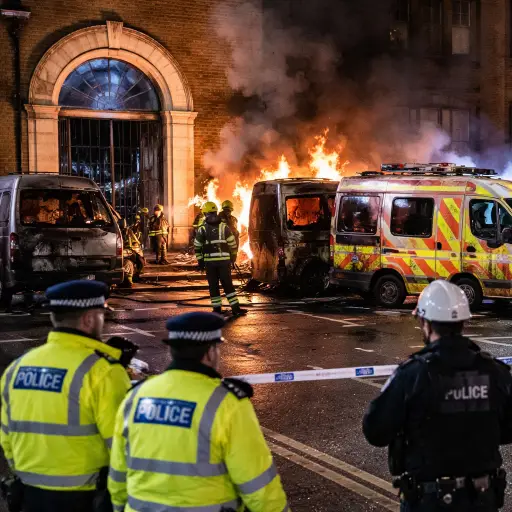
The attacks unfolded over a short span of time, striking multiple locations and prompting a large-scale emergency response. Firefighters battled blazes that engulfed vehicles and damaged buildings, while police cordoned off affected areas and launched a counterterrorism investigation. Though no fatalities have been reported, authorities confirmed injuries and significant material damage, as well as widespread disruption in several neighborhoods.
Responsibility for the attacks was later claimed by a group calling itself Harakat Ašáb al-Jamín al-Islámíja, translated as the Islamic Movement of the People of the Right Hand. The organization, largely unknown to Western intelligence prior to this incident, issued a statement through online channels framing the attacks as retaliation against what it described as “hostile entities.” The group’s rhetoric, coupled with its alleged ideological and logistical links to Iranian networks, has raised alarms among security officials.
London’s Metropolitan Police stated that the claim is being treated with caution and is subject to ongoing verification. Officials emphasized that attributing responsibility in such cases requires careful analysis of both physical evidence and intelligence data. Nonetheless, the nature of the targets has already drawn attention.
The Jewish charity affected by the attacks operates emergency medical vehicles serving vulnerable communities. Several of its ambulances were found burned and unusable, a loss described by its representatives as both operationally crippling and symbolically distressing. Nearby, a synagogue sustained fire damage to its exterior and entryway, prompting concern among local residents and religious leaders.
The third target, offices associated with a Persian-language media outlet, adds a further layer of complexity. The organization is known for broadcasting content critical of the Iranian government, making it a potential focal point for politically motivated hostility. Analysts note that the combination of Jewish and Iranian dissident-linked targets may not be coincidental, suggesting a broader ideological motive behind the attacks.
Community leaders across London have responded with a mix of condemnation and concern. Representatives of Jewish organizations described the attacks as deeply unsettling, emphasizing the importance of maintaining vigilance without succumbing to fear. At the same time, advocacy groups have called for increased protection of religious and minority institutions, warning that such incidents risk inflaming tensions.
Security experts say the emergence of a previously obscure group claiming such attacks is itself significant. Whether Harakat Ašáb al-Jamín al-Islámíja is a fully formed organization or a front name used by an existing network remains unclear. In recent years, investigators have documented instances where smaller or newly branded groups act as proxies, either to obscure attribution or to project the appearance of broader support.
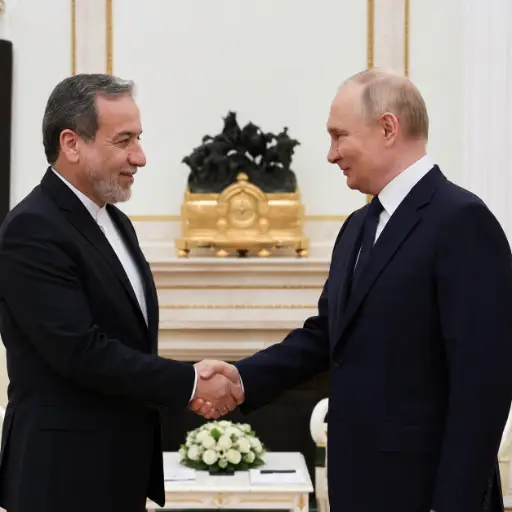
The potential Iranian connection is likely to draw scrutiny at a diplomatic level. While officials have not confirmed any direct state involvement, the suggestion of links to Iranian networks could complicate already strained relations. Governments across Europe have previously expressed concern over alleged activities by Iranian-linked groups targeting dissidents abroad.
For London, a city that has long prided itself on diversity and resilience, the attacks present both a security challenge and a social test. Authorities have increased patrols in sensitive areas and are working closely with community organizations to reassure the public. Meanwhile, counterterrorism units continue to gather evidence, including forensic analysis from the fire scenes and digital tracing of the group’s communications.
Residents in affected neighborhoods described scenes of chaos and disbelief. Flames lighting up the night sky, sirens echoing through the streets, and the sudden presence of emergency crews left many shaken. Yet there were also accounts of solidarity, with neighbors assisting one another and local groups mobilizing support for those impacted.
The broader implications of the incident are still unfolding. Analysts warn that even isolated attacks can have ripple effects, particularly when they touch on sensitive religious and political issues. The targeting of both Jewish institutions and Iranian-linked media suggests an intersection of ideological motivations that could resonate beyond the immediate events.
In the coming days, attention will likely focus on the results of the police investigation. Identifying those responsible, understanding their networks, and preventing further attacks will be the immediate priorities. At the same time, policymakers may face renewed pressure to address concerns about foreign influence and extremist activity within the country.
For now, London remains on alert. The city has faced and overcome crises before, but each new incident brings fresh challenges. As authorities work to uncover the truth behind the attacks, communities are left to grapple with the aftermath, balancing vigilance with the determination not to let fear define daily life.