Sportswear Leads the Market While Luxury Brands Face a More Cautious Consumer in a Changing Global Economy

The global fashion industry is entering a new phase of reality. After years of rapid post-pandemic recovery, the world’s largest fashion groups are once again confronting slower growth, cautious consumers and mounting pressure to reinvent themselves. Yet despite a more restrained year, the sector continues to demonstrate remarkable resilience.
The combined revenues of the world’s 75 largest fashion companies rose modestly over the past year, reaching approximately 541 billion euros. The increase was relatively small compared with previous years, but the broader picture tells a more important story: the industry today generates roughly one-third more revenue than it did before the pandemic disrupted global retail and supply chains.
What has changed is not only the pace of growth, but also the balance of power inside the industry itself.
Sportswear companies emerged as some of the strongest performers. Global demand for sneakers, athletic apparel and lifestyle-oriented fashion continued to outperform more traditional luxury categories. Consumers increasingly prioritize comfort, versatility and functionality, reflecting long-term changes in work habits and everyday lifestyles that began during the pandemic years and never fully disappeared.
Major sportswear brands benefited from the continuing popularity of wellness culture, fitness trends and casual fashion. Industry analysts note that younger consumers are far more willing to invest in premium sportswear than in formal luxury products, particularly in uncertain economic times. The line between fashion and performance wear has become increasingly blurred, turning sports brands into some of the most influential players in modern retail.
Luxury fashion, by contrast, has entered a more complicated period. While high-end labels continue to command enormous prestige and global visibility, growth in the luxury segment slowed considerably. Several major luxury groups reported weaker consumer demand, especially in Asia, where economic uncertainty and cautious spending patterns have affected sales.
The slowdown is particularly visible in China, which for years served as the engine of luxury growth. Chinese consumers remain important buyers, but the explosive purchasing momentum seen before has moderated. Wealthier customers are becoming more selective, while younger shoppers are increasingly questioning the value of ultra-expensive products.
At the same time, luxury houses face growing competition from emerging premium brands that offer quality and exclusivity at lower price points. Social media has also transformed the concept of aspiration. Consumers today are less impressed by traditional status symbols and more interested in individuality, sustainability and authenticity.
Another challenge comes from inflation and the broader global economic climate. Even affluent consumers are becoming more careful with discretionary spending. High interest rates, geopolitical tensions and slower economic growth in several key markets have created an atmosphere of caution across the retail sector.
Fashion companies are responding by focusing heavily on operational efficiency and digital expansion. Many groups are investing aggressively in artificial intelligence, data analytics and personalized online shopping experiences. Retailers are trying to predict consumer behavior more accurately while reducing inventory waste and improving supply chain flexibility.
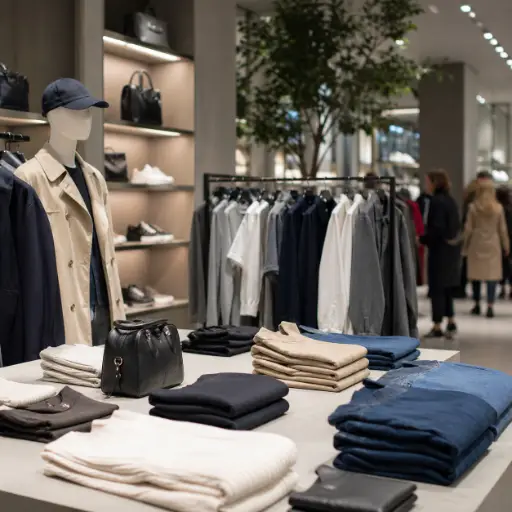
E-commerce remains central to the industry, although the online shopping boom seen during the pandemic has stabilized. Physical stores are once again becoming important strategic spaces, especially flagship locations designed to offer immersive brand experiences rather than simple transactions. Luxury labels in particular are redesigning stores to create more emotional and exclusive environments for customers.
Sustainability is also moving from a marketing slogan to a financial necessity. Investors, regulators and younger consumers increasingly expect transparency regarding sourcing, labor conditions and environmental impact. Fashion remains one of the world’s most resource-intensive industries, and pressure to reduce emissions and waste is intensifying.
Some companies are adapting faster than others. Brands capable of combining strong digital engagement with credible sustainability efforts are generally outperforming competitors. Resale platforms, rental services and circular fashion models are becoming increasingly mainstream, particularly among younger generations who are more skeptical of fast fashion consumption habits.
Still, the industry faces a difficult balancing act. Consumers demand lower environmental impact while simultaneously expecting low prices and constant product innovation. Maintaining profitability under those conditions is becoming increasingly complex.
Industry experts also point to changing cultural dynamics. Fashion trends now move faster than ever, driven by TikTok, Instagram and rapidly shifting online communities. Traditional seasonal collections are losing influence as brands race to respond to microtrends that can emerge and disappear within weeks.
This acceleration creates both opportunities and risks. Companies capable of reacting quickly can capture massive online attention, but the pressure to remain constantly relevant has intensified competition throughout the sector.
Despite slower growth, the overall outlook for global fashion remains cautiously optimistic. The sector has proven highly adaptable through economic crises, technological disruption and dramatic shifts in consumer behavior. Large multinational groups continue to dominate global sales, but smaller niche brands are increasingly influencing trends and consumer expectations.
The coming years are likely to reward companies that can balance innovation with discipline. Growth alone is no longer enough. Investors and consumers alike are paying closer attention to profitability, sustainability and long-term strategic vision.
Fashion, once driven almost entirely by glamour and exclusivity, is becoming a more complex reflection of economic realities, cultural change and technological transformation. The industry may be growing more slowly, but it is also evolving faster than ever before.