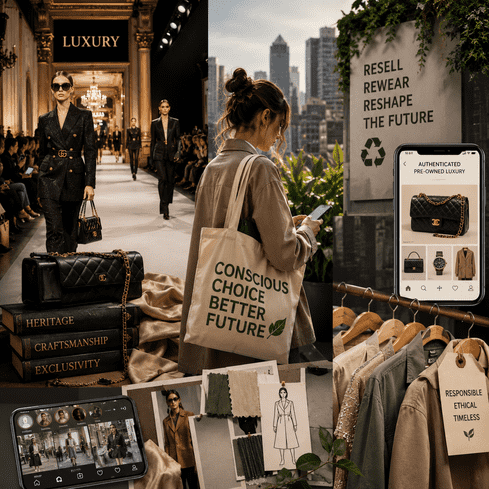
From resale platforms to sustainable design, the global luxury industry is struggling to adapt to a generation that values identity, accessibility, and ethics over traditional exclusivity.

The global luxury fashion industry is entering one of its most challenging transitions in decades as shifting consumer behavior, economic uncertainty, and digital culture force major brands to rethink the foundations of prestige and exclusivity.
Across Europe and the United States, several high-end fashion houses have reported slowing sales growth in recent months, reflecting weaker consumer spending and changing priorities among younger buyers. Analysts say Generation Z and younger millennials are increasingly moving away from traditional luxury purchasing habits, favoring sustainability, resale markets, and culturally driven brands over classic status symbols.
The change is reshaping the competitive landscape of global fashion. Luxury conglomerates that once relied heavily on aggressive price increases and brand heritage are now facing pressure to prove long-term cultural relevance in a market dominated by social media trends and rapidly evolving consumer identities.
One of the clearest signs of this transformation has been the explosive growth of the secondhand luxury market. Online resale platforms specializing in pre-owned designer handbags, watches, and apparel have seen record user growth as consumers seek both affordability and sustainability. Industry researchers estimate that the global luxury resale sector could double in size within the next five years.
Fashion executives increasingly view the resale economy not as a threat, but as a structural shift in how consumers engage with luxury goods. Several major brands are now exploring authenticated resale programs and circular business models designed to extend the life cycle of products while maintaining brand value.
At the same time, environmental scrutiny continues to intensify. Sustainability has evolved from a niche marketing concept into a central business concern for fashion companies facing criticism over waste, carbon emissions, and supply-chain transparency. Consumers are demanding clearer information about sourcing, labor conditions, and environmental impact, particularly from brands positioning themselves as premium or socially conscious.
Designers are also responding creatively to the shift. Collections built around recycled textiles, minimalist production, and upcycled materials are becoming increasingly prominent on major runways in Paris, Milan, and New York. Fashion critics say the aesthetic of sustainability itself is beginning to influence luxury design language, replacing excess with craftsmanship, durability, and authenticity.
Digital technology is accelerating the transformation even further. Social media platforms now shape global fashion trends almost instantly, while artificial intelligence and virtual styling tools are beginning to influence how brands market products and interact with consumers. Virtual fashion shows, AI-generated campaigns, and digital clothing collections are increasingly becoming part of mainstream luxury strategy.
Meanwhile, the influence of celebrity culture remains powerful but more fragmented than in previous decades. Rather than relying solely on traditional Hollywood ambassadors, fashion brands are increasingly partnering with athletes, online creators, musicians, and internet personalities capable of reaching highly targeted global audiences.
The industry’s evolving priorities are also affecting creative leadership. Several major fashion houses are undergoing leadership changes as executives search for designers capable of balancing commercial performance with cultural relevance and sustainability goals.
For luxury brands, the challenge is no longer simply about maintaining exclusivity. It is about remaining desirable in a world where younger consumers value flexibility, authenticity, and personal identity as much as prestige.
As the global fashion industry navigates slowing growth and rising cultural pressure, many analysts believe the sector is entering a defining period — one in which the future of luxury may depend less on tradition and more on adaptability.