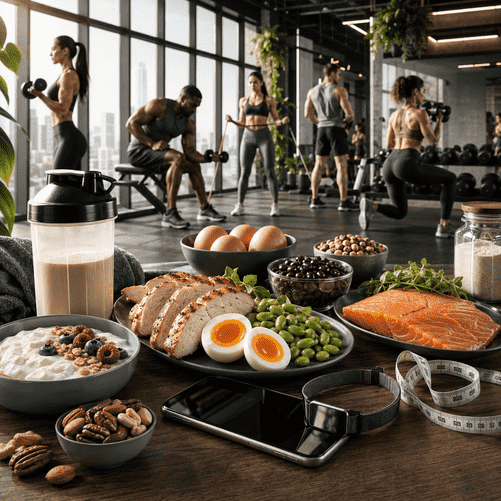
From fortified snacks to GLP-1 nutrition plans, demand for protein has moved far beyond bodybuilding—and is beginning to strain the supply of whey.

Protein has become the defining nutrient of the modern wellness market.
Once associated mainly with bodybuilders, powdered shakes and specialist sports shops, it is now appearing across supermarket shelves in yoghurts, cereals, coffees, waters, confectionery and even soft drinks. Food companies are placing protein counts prominently on packaging, while restaurants and delivery platforms increasingly market meals according to their ability to support muscle growth, weight management and recovery.
The trend has accelerated so sharply that the United States is beginning to experience pressure on supplies of whey, one of the world’s most widely used protein ingredients. Prices for some forms of whey protein concentrate have reportedly risen dramatically as manufacturers compete for limited volumes.
The shortage reveals how profoundly nutrition culture has changed. Consumers are no longer looking at protein simply as a supplement for intense exercise. It is increasingly presented as an everyday requirement for appetite control, healthy ageing, metabolic health and maintaining muscle during weight loss.
A major force behind this shift is the growing use of GLP-1 weight-loss medications. Treatments such as semaglutide can significantly reduce appetite, meaning users may consume fewer calories and, without careful planning, insufficient amounts of protein. Nutritionists and fitness professionals have therefore placed greater emphasis on resistance training and protein-rich meals to help preserve lean body mass during rapid weight reduction.
This has created a new and commercially valuable consumer category: people who may not identify as athletes but who are actively seeking compact, convenient and easily digestible sources of protein.
Food manufacturers have responded with an expanding range of products designed for everyday life rather than the traditional gym environment. Clear protein drinks resemble flavoured water instead of thick milkshakes. High-protein puddings are sold as indulgent desserts. Snack bars increasingly combine protein with fibre, vitamins or ingredients marketed for gut health.
Even familiar products are being reformulated. Bread, pasta, breakfast cereal and ice cream are being promoted with higher protein content, turning the nutrient into a badge of nutritional quality and a powerful marketing tool.
The popularity of the trend is also closely connected to changing fitness habits. Strength training has moved into the mainstream, particularly among women and older adults. Rather than focusing exclusively on weight loss or cardiovascular exercise, more consumers are interested in improving muscle strength, mobility and long-term independence.
Industry research for 2026 indicates that strength and broader wellness programmes are becoming central drivers of fitness participation. Wearable technology remains the year’s leading fitness trend, while exercise for weight management, programmes for older adults and core-strength activities also rank highly.
Social media has amplified the movement. Short videos documenting daily meals, protein targets and strength-training routines have transformed nutritional planning into lifestyle content. Online trends such as “protein-maxxing” encourage users to increase protein intake across every meal, sometimes treating a high daily total as an achievement in itself.
For brands, protein offers an unusually effective combination of health, fitness and convenience. It can be marketed to young gym users, busy professionals, older consumers concerned about muscle loss and people taking weight-management medication. It also lends itself to premium positioning, particularly when combined with claims involving grass-fed dairy, specialist filtration, added collagen or personalised nutrition.
Yet the boom is exposing structural limitations in the supply chain.
Whey is produced during cheese manufacturing, when liquid separates from milk solids. That liquid can be processed into increasingly concentrated forms of protein, but production cannot be expanded simply by obtaining more milk. It depends on cheese output and, crucially, on the specialised facilities needed to filter and refine the resulting whey.
As demand rises, manufacturers must compete for an ingredient whose supply is tied to another food industry. Building new processing infrastructure is expensive and time-consuming, which means shortages and price volatility may persist even as companies attempt to increase capacity.
This could accelerate interest in alternative proteins.
Soy, pea, rice and other plant-based ingredients are already widely used in shakes and nutritional foods. Egg, milk and blended proteins may also gain market share if whey becomes too expensive. Some manufacturers are experimenting with fermentation techniques that can produce specific dairy proteins without relying on conventional livestock farming.
The shift may also encourage consumers to return to less processed sources. Eggs, fish, poultry, beans, lentils, tofu, yoghurt and cottage cheese can all contribute substantial amounts of protein without requiring specialist supplements.
That distinction matters because the marketing surrounding protein can sometimes run ahead of nutritional need. Many people in wealthier countries already consume adequate amounts through ordinary meals. Adding protein to every snack does not automatically make a diet healthier, especially when the product remains high in sugar, saturated fat or calories.
Requirements also vary considerably. Age, body size, physical activity, health conditions and weight-loss goals all influence how much protein a person may need. Competitive athletes and older adults may benefit from higher intake, while sedentary consumers may have little need for expensive powders or fortified products.
There is also a risk that intense focus on one nutrient can distract from the overall quality of a diet. Fibre, fruit, vegetables, healthy fats and diverse sources of carbohydrates remain essential, even when muscle preservation or weight management is the immediate priority.
A parallel trend known as “healthmaxxing” suggests that some consumers are beginning to become more selective. Rather than adopting every new supplement or optimisation technique, they are placing renewed emphasis on sleep, regular movement, balanced nutrition and clearer ingredient information.
This more cautious approach may shape the next stage of the protein market. Products will face growing pressure not merely to contain impressive quantities of protein, but to demonstrate quality, digestibility, transparent sourcing and genuine nutritional value.
Protein is unlikely to disappear from the wellness spotlight. The ageing of major populations, the expansion of strength training and the continued growth of medical weight management all support long-term demand.
But the emerging whey shortage offers an early warning. A trend that began with athletes mixing shakes after workouts has become a mass-market phenomenon capable of influencing dairy production, food innovation and global ingredient prices.
The next phase of the protein revolution will therefore be defined not simply by how much consumers can eat, but by where that protein comes from, how sustainably it can be produced and whether it genuinely improves the diets of the people buying it.