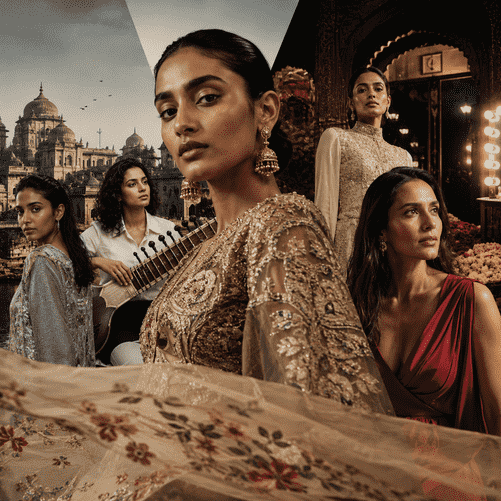
The 2027 Pirelli Calendar’s all-Indian cast signals a wider shift in luxury and style, as global brands turn toward cultural depth, representation and regional influence.

Global fashion’s next major statement is coming from India.
The 2027 Pirelli Calendar will feature an all-Indian cast and was shot entirely in India, marking a historic first for one of fashion’s most recognizable image-making projects. The calendar, once known for a narrow and often sexualized vision of glamour, has increasingly repositioned itself as a platform for cultural storytelling, identity and artistic representation.
This year’s edition includes figures from across Indian culture, fashion and the arts, including model Bhavitha Mandava, sitarist Anoushka Shankar and model-chef Padma Lakshmi. The project was photographed by Avani Rai, daughter of legendary Indian photojournalist Raghu Rai, and uses Indian settings such as flower markets and old cinemas to frame a broader portrait of beauty, femininity and national identity.
The choice reflects a larger movement within luxury and style. Global fashion houses are no longer looking only to Paris, Milan, London and New York for cultural authority. India’s growing influence — through film, design, music, textiles, food and a rising luxury consumer base — is increasingly shaping how brands think about relevance in a more multipolar fashion world.
For luxury companies, the shift is strategic as well as aesthetic. The global fashion market is moving through a slower and more selective phase, with brands under pressure to create deeper emotional value rather than relying only on logos, price increases or celebrity campaigns. McKinsey’s 2026 fashion outlook notes that the industry is navigating weaker growth, changing consumer expectations and stronger demand for value, authenticity and differentiation.
India offers all three. Its fashion language is rooted in craft, color, ceremony and textile heritage, but it is also increasingly contemporary and globally fluent. Younger Indian designers and models are entering international runways, while luxury brands are seeking closer relationships with South Asian audiences who want representation without simplification.
The Pirelli project arrives at a time when luxury is broadening its definition of status. Recent industry trends show that fashion is expanding into lifestyle, wellness, food and cultural experience, with brands increasingly selling not only products but identity and belonging. In that environment, cultural credibility has become a form of luxury in itself.
The all-Indian calendar also points to a new standard for representation. Rather than treating diversity as a casting addition, the project places Indian identity at the center of the visual world. Its imagery is not merely decorative; it suggests that global fashion is beginning to understand regional culture as a source of authorship, not just inspiration.
That distinction matters. For decades, luxury often borrowed from non-Western cultures while keeping creative control elsewhere. Today, audiences are more attentive to who tells the story, who appears in it and whether the result feels respectful or extractive. By placing Indian talent, locations and artistic direction at the core, the calendar reflects a more modern approach to global fashion storytelling.
The commercial implications are also clear. India is becoming more important to luxury brands not only as a market, but as a cultural force. As Western luxury growth slows and consumers become more selective, brands are looking toward regions where aspiration, heritage and new wealth intersect.
For Pirelli, the 2027 calendar is a symbolic reinvention. For fashion, it is another sign that the industry’s center of gravity is shifting. The future of luxury may still pass through the traditional capitals, but it is increasingly being shaped by places that bring their own history, aesthetics and power to the global stage.
India is no longer simply being included in the fashion conversation. It is helping lead it.