Kathmandu is preparing engineering works at four high-risk Himalayan lakes after catastrophic flooding, turning climate adaptation into a race against accelerating glacial retreat and downstream exposure.

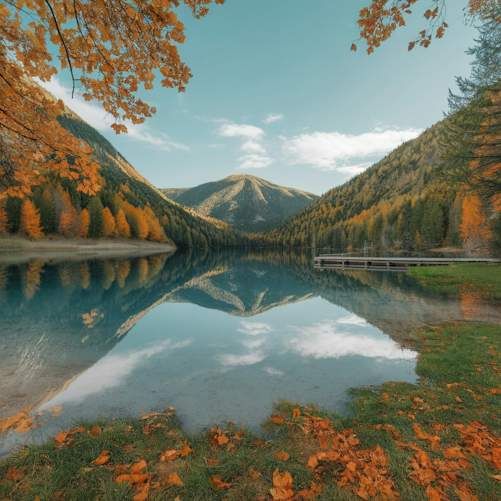
Nepal plans to lower water levels at four glacial lakes judged to present serious flood risks after a series of destructive climate-related disasters, Reuters reported on October 2. The lakes named in the project are Thulagi, Lower Barun, Lumding Tsho and Hongu II, all situated in high mountain terrain where warming temperatures can expand lakes behind unstable natural dams.
The plan shifts part of Nepal’s climate strategy from responding to disasters after they occur toward reducing the physical hazard before a sudden release of water reaches communities downstream. That is difficult work at altitude, where heavy equipment, access, weather and worker safety all constrain what engineers can do.
Glacial lakes turn gradual warming into sudden danger
Glaciers can retreat over decades, but the danger they create can materialise in minutes. Meltwater often accumulates behind moraine dams made from loose rock and sediment. If those barriers fail because of erosion, an avalanche, an earthquake or rising water, the resulting glacial-lake outburst flood can carry water and debris through narrow valleys at destructive speed.
That makes the hazard unusually difficult for mountain communities. The underlying climate trend is slow enough to monitor, yet the disaster itself may offer very little warning. Roads, bridges, hydropower plants, farms and settlements can all sit in the path of a flood generated far upstream.
Lowering the water level is a direct form of risk reduction
Engineering work cannot stop glaciers from melting, but it can reduce the pressure stored behind an unstable natural dam. Controlled drainage, outlet channels and related works can lower the volume of water available to surge downstream if a failure occurs.
The method is technically straightforward in principle and difficult in practice. Sites are remote, weather windows are short and construction materials must reach high-altitude locations. Engineers must also avoid destabilising the very structures they are trying to make safer.
The programme is backed by international climate finance
The United Nations Development Programme said the Green Climate Fund approved a $36.1 million grant for a seven-year project designed to reduce glacial-flood risk in Nepal. The programme combines lake-lowering work with early-warning systems, local preparedness and protection of infrastructure and livelihoods.
UNDP said the wider initiative is intended to strengthen protection for roughly 2.2 million people. That scale shows why the issue cannot be treated as a niche problem affecting only climbers or isolated villages. Himalayan water systems support densely connected valleys and infrastructure far downstream.
Early warning is as important as engineering
Even after mitigation work, no mountain lake can be made risk-free. Monitoring water levels, slope movement and weather can provide valuable time if conditions deteriorate. Sirens, communication systems and evacuation plans then determine whether technical information becomes practical protection.
The strongest adaptation programmes therefore combine infrastructure with institutions. Sensors are useful only if authorities can interpret them, alert communities and maintain equipment over years. Local residents also need confidence that warnings are credible enough to act on quickly.
Hydropower and transport are part of the exposure
Nepal’s development strategy relies heavily on mountain infrastructure. Hydropower plants, roads and bridges often follow river valleys because geography leaves few alternatives. Those same corridors can channel floodwater and debris, turning climate risk into an economic and energy-security concern.
A damaged road can isolate communities long after floodwaters recede. A hydropower failure can remove electricity and revenue at the same time. Protecting high-risk lakes therefore has a multiplier effect: it safeguards people directly while reducing the chance that one disaster disables essential services across a wider region.
Adaptation is becoming a race against changing geography
Earlier assessments have identified dozens of potentially dangerous glacial lakes across Nepal and neighbouring Himalayan regions. The list is not static. As glaciers retreat and lakes expand, new hazards can emerge while old ones change shape or pressure.
That means adaptation cannot end when four lakes are drained. Nepal will need sustained monitoring, updated hazard maps and funding mechanisms capable of responding as the mountain environment changes. The October plan is important precisely because it treats climate adaptation as continuous infrastructure policy rather than a one-off emergency response.
The challenge is formidable, but the logic is clear: reducing the volume of water behind the most dangerous natural dams, improving warning systems and preparing downstream communities can turn a climate-driven hazard from an unpredictable catastrophe into a risk that is at least more manageable.