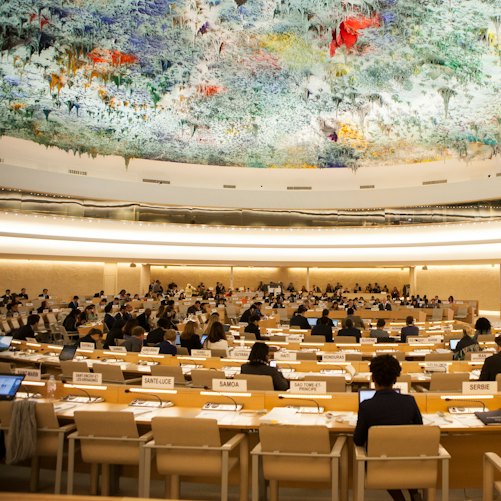
Negotiators in Antalya are working through competing proposals on energy and support for vulnerable countries. The first draft offers a basis for a deal, while disagreements over debt, national policy choices and the delivery of finance leave ministers with difficult decisions before the conference’s scheduled close.

Climate negotiations in Antalya entered a more difficult phase on Tuesday as countries challenged proposals on fossil fuels, financial support for developing countries and the international direction of national energy policies.
The 18-page draft released on November 16 brings competing positions into one document ahead of the conference’s scheduled conclusion on Friday. Its breadth should not be mistaken for agreement. The presidency’s accompanying note explicitly states that the text does not represent consensus and that any element could still be removed during negotiations.
An energy transition with competing definitions
The draft includes both a transition away from fossil fuels and stronger language about phasing them out. Australia’s Chris Bowen, who is leading the negotiations, acknowledged that countries would contest these formulations. His task is to establish which wording can survive a process that requires a collectively acceptable outcome.
Tuesday’s exchanges showed the divisions. The European Union backed faster emissions cuts and an electrification goal. The Arab Group opposed roadmaps and top-down sectoral targets. The Alliance of Small Island States supported moving away from fossil fuels alongside delivery of financial commitments.
A central proposal would increase electricity’s share of global final energy consumption to 35% by 2035. The draft places this alongside renewable generation, efficiency improvements, storage and stronger power networks. It also specifies that countries would contribute according to their circumstances, rather than receive identical national obligations from the global target.
The distinction matters when judging what the proposal would do. A target for electricity’s share of final energy use concerns how households, transport and industry obtain energy. Its climate effect also depends on how that electricity is generated and whether grids and other infrastructure can support the change.
Finance negotiations reach beyond the headline figure
On adaptation, the proposed decision calls for annual support of at least $120 billion by 2035 and a pathway for delivery. That would put a more concrete figure around the effort to expand help for countries facing climate impacts. The amount remains part of the draft under negotiation, rather than a newly completed funding agreement.
Bowen was pressed on precisely this distinction at Monday’s briefing. He said the extent of agreement would become clear at the end of the week. He also framed the broader finance discussions around implementing previous commitments, emphasizing the work needed to turn existing promises into practical delivery plans.
The scale of the gap is visible in the UN Environment Programme’s latest assessment. International public adaptation finance from developed to developing countries reached between $28.2 billion and $31.7 billion in 2024. UNEP estimates developing countries’ annual adaptation needs at approximately $305 billion by 2035, far beyond those recorded flows.
The form of assistance is also contentious. The African Group called on Tuesday for funding that does not increase African countries’ debt burdens. Least developed countries and Malaysia emphasized the adaptation gap, bringing access and financing terms into the debate.
UNEP’s assessment also identifies administrative obstacles and limited institutional capacity as barriers to obtaining support. For a country planning coastal protection or stronger public services, an international pledge and an approved, usable project budget are different stages. Negotiations over access therefore have consequences that a larger headline total alone cannot resolve.
Ministers take on the unresolved questions
The process has moved into ministerial consultations on the issues that technical negotiators have been unable to settle. Separate discussions on finance, adaptation and a just transition were held on November 17. The division of work allows related disputes to be examined in detail while the presidency develops an overall agreement.
France and the Philippines are leading the finance consultations, while Sierra Leone and the United Kingdom are paired on adaptation. Mexico and Poland are overseeing the just-transition discussions. These ministerial channels are intended to help bridge political differences; their existence does not mean that a compromise has already been reached.
Tuesday’s negotiations also reflected different exposure to climate risks. Bhutan and Tajikistan sought dedicated attention to mountain communities, while several Pacific states welcomed recognition of the relationship between oceans and climate. Their demands connect the final decision to particular regional vulnerabilities.
The presidency has deliberately started with a broad draft. Its note explains that limited use of brackets should not be read as evidence that unbracketed language is settled. That procedural detail is important: the document records proposals countries want discussed, while the agreed outcome remains to be negotiated.
The test is what survives and how it can be delivered
The next stage will show whether governments can connect the energy and finance arguments closely enough to produce a workable package. An ambitious energy goal raises questions about investment and national circumstances. Stronger financial commitments raise questions about contributors, access, delivery dates and the treatment of countries already carrying heavy debt.
Those questions make the eventual wording consequential beyond the conference venue. Governments will need to explain what collective decisions mean for their own policies, and potential fund recipients will need clarity about available support. A statement of ambition can guide that work, but implementation still requires budgets, institutions and follow-through.
For now, the draft establishes the choices facing the negotiators without resolving them. The remaining talks will determine whether the final decision preserves clear direction on fossil fuels, gives adaptation finance a credible delivery framework and accommodates the different starting points that countries have brought to Antalya.