
Fashion’s most influential image-makers are increasingly rewarding individuality rather than a single dominant look. Vogue’s Best Dressed People of 2026 brings together 55 people and couples from entertainment, music, sport, politics, publishing and the fashion industry, presenting a year in which personal expression often mattered more than strict adherence to a trend. The list is unranked, but its range offers a snapshot of the visual language that shaped public appearances over the past twelve months.
The selection includes established names and emerging figures, from red-carpet regulars to musicians and actors whose influence has grown through a distinctive approach to clothing. Its editorial emphasis is not limited to luxury labels. Vintage pieces, independent designers, carefully constructed personal uniforms and unexpected combinations all feature in a broader celebration of style as a form of identity.
Beyond the uniform of minimalism
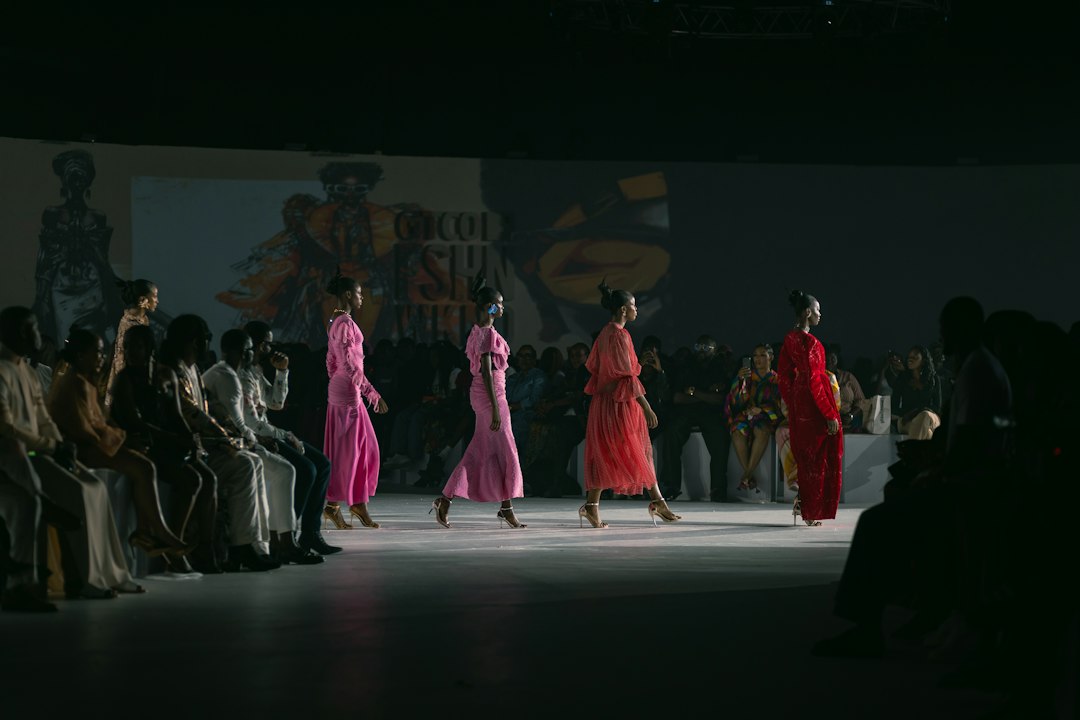
Recent seasons were often associated with quiet luxury, restrained colours and understated silhouettes. The autumn-winter 2026 collections have moved in a more expressive direction. Designers have revisited familiar wardrobe staples but introduced contrast through rich textures, sculptural shapes, floral details and more pronounced proportions. The result is not a rejection of minimalism, but a widening of the choices available to consumers.
That shift is visible in the way public figures approach dressing. A carefully repeated silhouette can become as recognisable as an elaborate red-carpet outfit, while a vintage garment can communicate cultural knowledge and personal taste more effectively than a newly purchased statement piece. The strongest looks are often those that appear coherent with the wearer rather than simply designed to attract attention.
Red carpets and everyday wardrobes converge
The boundary between formal fashion and streetwear continues to soften. Athletes, musicians and actors increasingly influence the same conversations, and the list reflects a culture in which a tunnel arrival, a concert appearance or an everyday photograph can have a similar impact to a major awards ceremony. Social platforms accelerate the process, but they also expose the difference between a memorable style and a fleeting viral outfit.
Designers benefit from this wider cultural environment. Independent labels can reach international audiences through stylists and public figures without relying exclusively on traditional advertising. At the same time, established houses face pressure to demonstrate that their heritage can remain relevant to people who want clothes with personality, versatility and a clear point of view.
Fashion as a statement of confidence
What connects many of the year’s most discussed looks is a willingness to take measured risks. Volume, unusual colour combinations, archival references and strong accessories have returned, but they are often balanced by practical pieces that make an outfit wearable beyond a single photograph. This is important as consumers become more selective about spending and expect expensive garments to work across different settings.
The broader message of the 2026 selection is that there is no single formula for being well dressed. Personal style can be theatrical or understated, highly polished or deliberately relaxed. In a crowded visual culture, authenticity and consistency may be more valuable than simply wearing the newest collection. Fashion’s current direction is therefore less about one trend replacing another and more about giving individuals permission to combine them on their own terms.