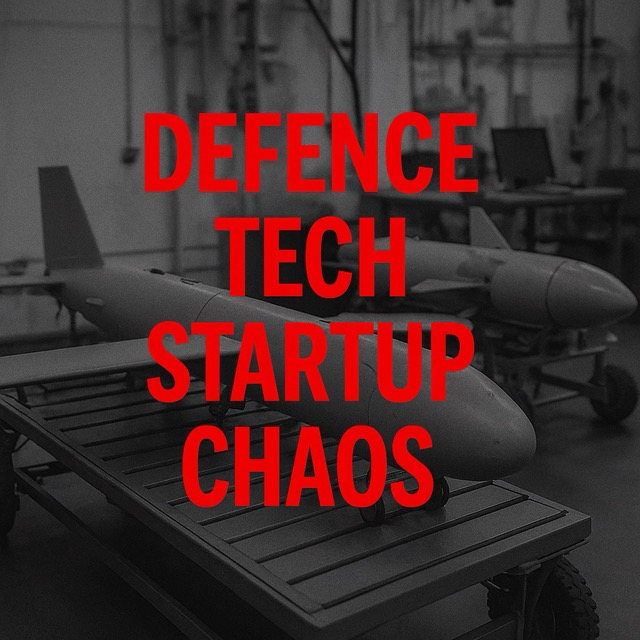
Funding uncertainty, ethical questions, and leadership turnover shake a once-promising military AI venture

Once hailed as a disruptor in the defense technology sector, a prominent startup now finds itself in disarray amid internal turmoil, investor skepticism, and growing public scrutiny. “Chaos,” as the startup is colloquially being called in industry circles, has become a symbol of the complex challenges facing emerging companies at the intersection of artificial intelligence, national security, and private capital.
Founded with the promise of transforming battlefield intelligence through autonomous systems and real-time threat detection, the company quickly attracted high-profile investors and government contracts. Its leadership team boasted veterans from top-tier defense contractors, elite engineering talent, and former military officials. Yet, just three years into its trajectory, the startup is faltering.
At the heart of the chaos is a series of cascading issues: key executives have abruptly resigned, citing ethical disagreements; a major funding round fell through after due diligence revealed inconsistencies in financial projections; and a whistleblower within the company raised concerns about the safety and oversight of a classified AI-powered targeting system.
The company’s CEO, who was once praised for visionary leadership, is now under pressure from the board to resign. Meanwhile, employees report a culture of burnout, internal mistrust, and shifting priorities. Some have described the work environment as “mission-driven but rudderless,” with engineers unclear on whether they’re building for innovation or for influence.
The Department of Defense, which had initially championed the startup as a model for next-generation defense procurement, has suspended one of its pilot projects pending review. Analysts note that this is a blow not only to the company, but to the broader thesis that Silicon Valley startups can seamlessly plug into military ecosystems.
Complicating matters further are the public protests and ethical debates surrounding the militarization of AI. Critics argue that startups like Chaos are moving too fast, without adequate safeguards or transparency. The company’s lack of clear public communication has only fueled speculation and eroded trust.
Despite the turmoil, some investors remain cautiously optimistic. They point to the company’s still-valuable intellectual property, ongoing R&D contracts, and interest from foreign allies seeking similar capabilities. A restructuring plan is reportedly in the works, with talks of bringing in a seasoned defense executive to stabilize operations.
In many ways, the story of Chaos encapsulates the growing pains of a sector racing ahead of its regulatory, cultural, and ethical foundations. It’s a cautionary tale about what happens when rapid innovation meets opaque governance—and a reminder that in defense tech, chaos isn’t just a possibility. It’s a liability.