Despite its ‘America First’ mantra, the MAGA base displays an enduring, strategic, and often contradictory focus on nations abroad
Introduction
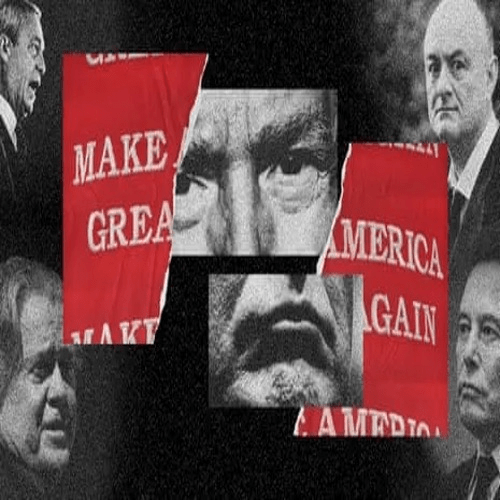
At its core, the MAGA (Make America Great Again) movement built its brand on an ‘America First’ doctrine—prioritizing domestic renewal, border security, and economic nationalism. Yet in recent years, the movement has demonstrated an increasingly deep and sometimes contradictory fascination with foreign nations. From praising authoritarian strongmen to critiquing America’s allies, MAGA’s gaze is often fixed firmly beyond U.S. borders.
Admiration for Authoritarian Figures
MAGA leaders and influencers have routinely expressed admiration for foreign leaders like Vladimir Putin, Viktor Orbán, and Jair Bolsonaro. These figures are frequently cast as champions of nationalism, anti-globalism, and traditional values. Former President Donald Trump has lauded Putin’s “strength,” referred to Orbán as a “smart man,” and praised Bolsonaro’s toughness. For many MAGA supporters, these leaders are seen as ideological kin rather than geopolitical rivals.
Enemy of My Enemy Logic
This global interest often arises from a desire to contrast with liberal democracies and perceived left-leaning global institutions. The European Union, NATO, and the United Nations are frequent targets of MAGA disdain, often portrayed as bureaucratic, anti-sovereignty bodies. Nations or leaders in conflict with these institutions—whether Russia, Hungary, or even China at times—are viewed as counterweights to Western liberalism.
Foreign Conspiracy Narratives
Conspiracy theories involving foreign actors have become central to MAGA discourse. Whether it’s claims of Chinese election interference, Ukrainian corruption, or secret plots by the World Economic Forum, foreign scapegoats have become essential narrative tools. This obsession feeds a broader distrust of globalization and strengthens the movement’s sense of isolationist victimhood.
Foreign Policy Contradictions
Despite rhetoric calling for reduced foreign entanglements, MAGA-aligned lawmakers have blocked aid to Ukraine, questioned support for Taiwan, and called for stronger relations with adversaries like Russia. These contradictions reflect a shift from traditional bipartisan foreign policy to one that prioritizes symbolic alignment over strategic consistency.
Cultural Projection
Beyond geopolitics, the MAGA movement imports and celebrates cultural signals from abroad. From online influencers in Eastern Europe to conservative religious movements in Brazil and Africa, international voices are often featured in MAGA media ecosystems. The result is a cultural hybrid—one rooted in American nostalgia but shaped by global discontent.
Domestic Politics Through a Global Lens
Ironically, the movement that preaches national focus increasingly interprets domestic issues—immigration, crime, education—through a lens of international influence. Foreign cartels, NGOs, and even governments are blamed for trends that MAGA perceives as undermining American identity.
Conclusion
While MAGA may chant ‘America First,’ its ideological compass frequently points outward. Whether by embracing foreign leaders, indulging in conspiracy theories, or projecting global grievance onto local politics, the movement’s obsession with other countries reflects both its fear of globalism and its dependence on global narratives to sustain its identity. What began as a nationalist call to arms has morphed into a geopolitical fixation.


 The Tower Post