UK’s Ambitious Naval Expansion Aims to Bolster National Security and NATO Commitments
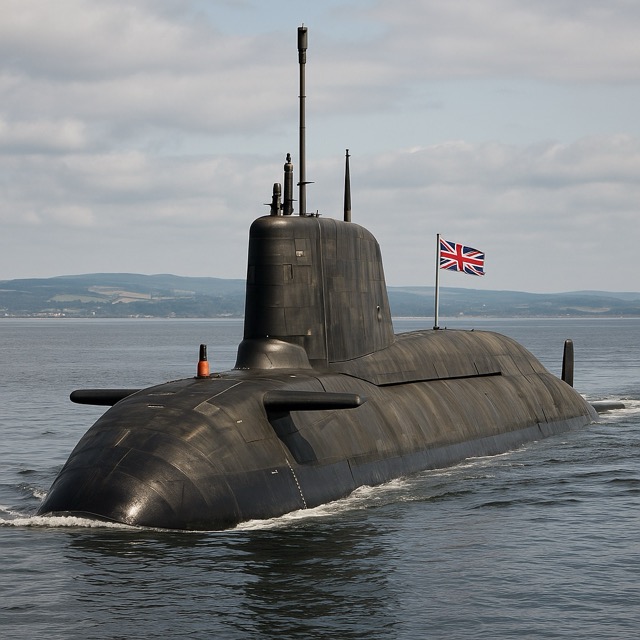
In a significant move to enhance its national security and fulfill NATO obligations, the United Kingdom has announced plans to construct up to 12 new nuclear-powered attack submarines. This initiative is a central component of the recently unveiled Strategic Defence Review, reflecting the government’s commitment to transitioning the armed forces to a state of “warfighting readiness.”
Strategic Context and Objectives
The decision to expand the submarine fleet comes amid escalating global tensions, particularly concerning Russia’s military activities. Prime Minister Keir Starmer emphasized the necessity for the UK to prepare for potential conflicts to deter aggression effectively. The new submarines are intended to replace the existing Astute-class vessels, ensuring the Royal Navy maintains a formidable underwater capability well into the future.
Technological Advancements and Collaboration
The forthcoming submarines, designated as SSN-AUKUS, will be developed under the AUKUS trilateral security partnership involving the UK, the United States, and Australia. These vessels will feature cutting-edge technologies, including vertical launch systems for land-attack missiles, enhancing interoperability with allied forces. The integration of advanced systems aims to provide the Royal Navy with increased flexibility and firepower.
Economic and Industrial Implications
The submarine construction program is expected to have substantial economic benefits, supporting approximately 30,000 jobs across the UK. Key industrial players such as BAE Systems and Rolls-Royce will be instrumental in the design and manufacturing processes, with facilities in Barrow-in-Furness and Derby playing pivotal roles. The initiative also includes plans to double the number of apprenticeships and graduate roles in the defense sector over the next decade.
Financial Commitments and Future Outlook
The government has committed to increasing defense spending to 2.5% of GDP by 2027, with aspirations to reach 3% in the subsequent years, contingent upon economic conditions. This financial commitment underscores the UK’s dedication to strengthening its defense capabilities and fulfilling its international obligations.
Conclusion
The UK’s plan to build 12 new attack submarines represents a significant step in modernizing its naval forces and enhancing national security. Through technological innovation and international collaboration, the initiative aims to ensure the Royal Navy remains a formidable force, capable of addressing emerging threats and contributing effectively to global stability.




 The Tower Post