Unions and Executives Warn of Mass Layoffs Amid Global Market Pressures and Policy Shifts
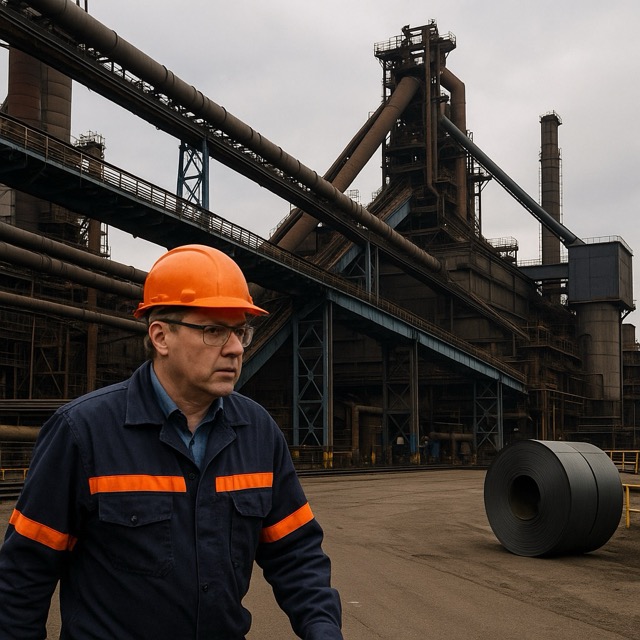
Canada’s steel industry, long a cornerstone of the nation’s manufacturing and economic backbone, is on the brink of a major crisis. Industry leaders and labor unions have jointly issued a dire warning: without immediate government action, the sector could face catastrophic job losses, putting thousands of Canadian families at risk.
The Growing Threat
The warning follows a period of mounting challenges. Soaring energy costs, a flood of cheap imports from overseas, and uncertainty surrounding carbon pricing regulations have combined to put immense strain on Canadian steelmakers. Companies such as Stelco and ArcelorMittal Dofasco have already hinted at production slowdowns and workforce reductions.
Adding to the pressure, Canada’s transition to a green economy has accelerated. While steel producers have pledged to reduce emissions, the rapid pace of decarbonization—without sufficient subsidies or transition support—has left many scrambling to remain competitive on the global stage.
Economic and Social Ramifications
If layoffs materialize on the scale feared, the fallout will not be limited to steelworkers alone. Communities built around the steel industry, such as Hamilton and Sault Ste. Marie, could face devastating economic consequences. Local economies reliant on steel plant operations, suppliers, and related services would be hit hard, potentially leading to secondary job losses across sectors.
Labor unions have voiced concerns about the human toll of these job cuts. “We are facing a national employment emergency,” said a representative from the United Steelworkers Union. “The federal government must treat this as a priority and provide the necessary support to modernize and protect our industry.”
Calls for Government Intervention
Industry advocates are calling on the federal government to enact urgent policy measures. These include enhanced import controls to prevent steel dumping, subsidies for green transition technologies, and a clear roadmap for supporting industrial workers during the energy transition.
While Prime Minister Justin Trudeau’s government has reiterated its commitment to sustainable industrial policy, critics argue that promises have not translated into sufficient on-the-ground support. With national elections looming, the fate of Canada’s steel towns may become a defining issue for voters.
Conclusion
Canada’s steel industry stands at a critical crossroads. Without swift intervention and strategic investment, the nation risks losing a pillar of its industrial economy. The coming months will determine whether Canadian steel can adapt to 21st-century demands—or be left behind in a wave of deindustrialization.




 The Tower Post