A Conservative Historian’s Rise to Power and Its Implications for Poland and the EU
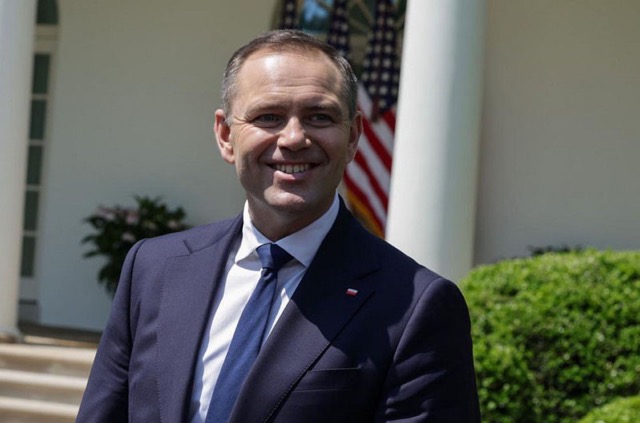
On June 1, 2025, Poland elected Karol Nawrocki as its new president in a closely contested runoff election. Nawrocki secured 50.89% of the vote, narrowly defeating liberal Warsaw Mayor Rafał Trzaskowski, who garnered 49.11%. This election marks a significant shift in Poland’s political landscape, with potential implications for its relationship with the European Union and its domestic policies.
Who is Karol Nawrocki?
Born on March 3, 1983, in Gdańsk, Poland, Karol Tadeusz Nawrocki is a historian and political figure known for his conservative views. He earned his Ph.D. in history from the University of Gdańsk and has held prominent positions, including director of the Museum of the Second World War in Gdańsk and head of the Institute of National Remembrance.
Nawrocki’s research has focused on anti-communist opposition and organized crime in the Polish People’s Republic. His political career began with support from the Law and Justice (PiS) party, although he ran as an independent candidate in the presidential election.
Campaign and Controversies
Nawrocki’s campaign emphasized national sovereignty, traditional Catholic values, and skepticism towards the European Union. He received backing from conservative figures, including former U.S. President Donald Trump.
Despite his victory, Nawrocki’s campaign faced several controversies. Reports emerged about his past involvement in football hooliganism and alleged misconduct during his student years. Additionally, questions were raised about a property transaction involving an elderly man. Nawrocki has denied any wrongdoing, and these issues did not significantly impact his support base.
Implications for Poland and the EU
Nawrocki’s presidency is expected to challenge Prime Minister Donald Tusk’s pro-EU agenda. With the power to veto legislation, Nawrocki could obstruct reforms related to the judiciary, abortion laws, and civil unions.
His election has raised concerns within the European Union about Poland’s commitment to democratic values and the rule of law. While European Commission President Ursula von der Leyen expressed hope for continued cooperation, the political divide between Poland and the EU may widen under Nawrocki’s leadership.
Conclusion
Karol Nawrocki’s ascent to the presidency signifies a pivotal moment in Polish politics. As a conservative historian with limited political experience, his leadership will shape Poland’s domestic and foreign policies in the coming years. The international community will be closely watching how his presidency influences Poland’s role within the European Union and its adherence to democratic principles.



 The Tower Post