After Years of Preparation, Bulgaria Takes a Historic Step Toward Eurozone Membership
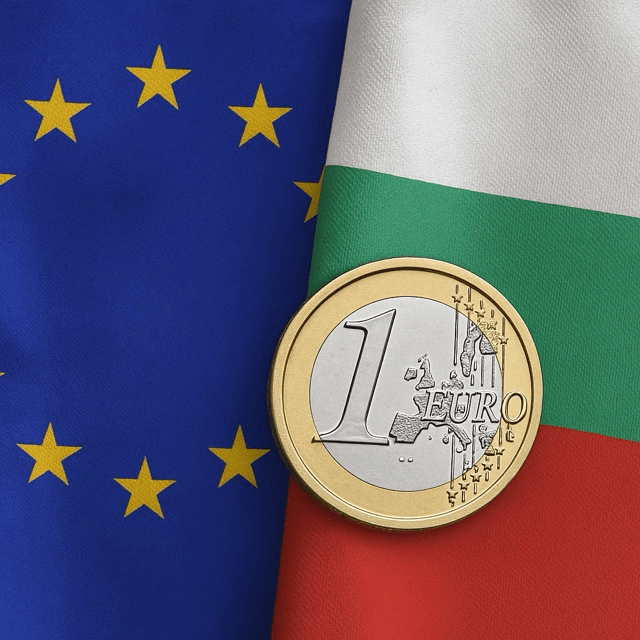
Bulgaria, the European Union’s poorest member state, is preparing for a major economic and political milestone: the adoption of the euro. After years of fiscal reforms, economic alignment, and negotiations with European institutions, Bulgaria is on track to join the Eurozone, with the target date set for early next year.
This transition marks a critical juncture for the Balkan nation, symbolizing not only deeper integration into the European project but also a strategic move toward economic stability and investment appeal. Since joining the EU in 2007, Bulgaria has steadily worked to meet the Maastricht criteria—benchmarks that include inflation control, sound public finances, and stable exchange rates.
The Bulgarian lev has been pegged to the euro through a currency board since 1997, effectively preparing the economy for this moment. While this arrangement has contributed to monetary stability, full euro adoption will provide Bulgaria with access to the European Central Bank’s monetary mechanisms and a stronger voice in EU policymaking.
Public opinion in Bulgaria, however, remains divided. While business leaders and policymakers tout the benefits of the euro—such as lower transaction costs, increased investor confidence, and a safeguard against currency crises—some citizens express concern about potential price hikes and the loss of national monetary autonomy.
Despite these concerns, the Bulgarian government is pressing forward. A recent report from the European Commission confirmed that Bulgaria is making substantial progress and is nearly compliant with all entry conditions. Inflation, once a sticking point, has shown signs of stabilizing, and efforts to fight corruption and bolster judicial independence continue to be a focus of domestic reforms.
The European Central Bank has also been actively involved in the transition process, conducting regular assessments of Bulgaria’s banking sector and financial resilience. Officials from Brussels have lauded Bulgaria’s determination and transparency, noting that its integration could serve as a model for other aspiring Eurozone members in Eastern Europe.
If successful, Bulgaria will become the 21st member of the Eurozone, following Croatia, which adopted the euro in 2023. Analysts predict that Bulgaria’s accession could increase investor interest in the Balkans and strengthen EU influence in a region often contested by outside powers such as Russia and China.
As the euro replaces the lev in the months ahead, Bulgarians are witnessing a historic transformation—one that holds the promise of prosperity, unity, and a deeper place within the European family. Yet, the road ahead will require continued diligence to ensure that this new chapter benefits all sectors of society.
Whether celebrated as an economic leap forward or approached with cautious optimism, Bulgaria’s euro adoption stands as a testament to decades of aspiration, discipline, and hope for a more integrated future.



 The Tower Post