The European Union aims to revolutionize cross-border defense cooperation and spending efficiency
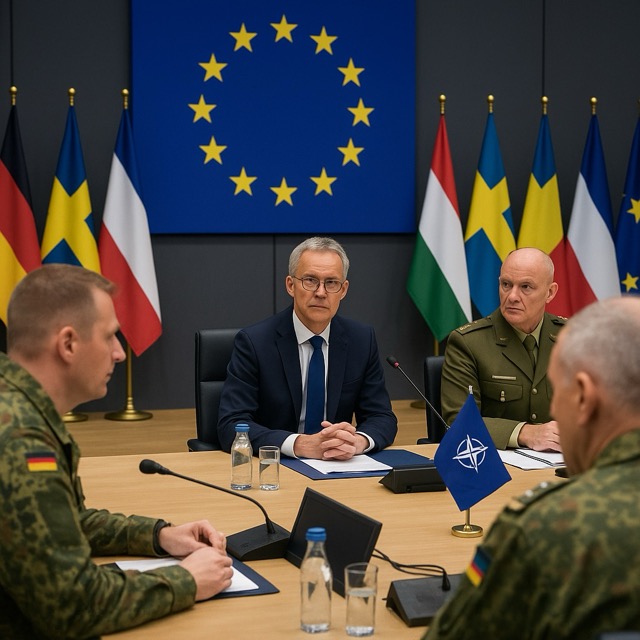
In a move set to redefine the defense landscape of Europe, the European Union has announced a bold strategy to foster deeper, more efficient military cooperation across member states. The new approach, unveiled in Brussels, targets increased synergy in military spending, procurement, and technology development, addressing long-standing inefficiencies that have plagued the EU’s collective defense capabilities.
This strategic shift comes in response to escalating global tensions and a growing realization among European leaders that fragmented national defense systems are no longer sustainable. By integrating military efforts and resources, the EU aims to maximize the value of its defense expenditures while bolstering its strategic autonomy.
The initiative seeks to harmonize procurement practices, enabling EU countries to jointly invest in next-generation defense systems such as cyber warfare capabilities, drone technology, and AI-driven surveillance tools. According to the European Defence Agency, collaborative defense projects can yield savings of up to 30%, freeing up funds for innovation and personnel support.
In practical terms, this means more multinational battlegroups, standardized equipment, and shared logistics networks. It also implies a greater role for centralized EU defense institutions in coordinating and monitoring national spending to ensure coherence with collective goals.
However, the path to unified defense is not without challenges. National sovereignty concerns, varying threat perceptions, and bureaucratic hurdles remain significant obstacles. To mitigate these issues, the EU plans to launch a new Defence Cooperation Fund, offering incentives for member states that align their military projects with EU priorities.
Experts argue that with the United States pivoting towards Asia and NATO facing new pressures, the time is ripe for Europe to take charge of its own security. This transition will not only improve the EU’s operational readiness but also affirm its role as a global actor capable of defending its interests independently.
If successful, this initiative could mark a turning point in European integration—one where defense becomes a cornerstone of unity rather than division. As the EU steps into this new phase, the world watches to see whether it can transform ambition into actionable strength.



 The Tower Post