Time for New Leadership: Rethinking the Sports Ministry and Coach Spalletti
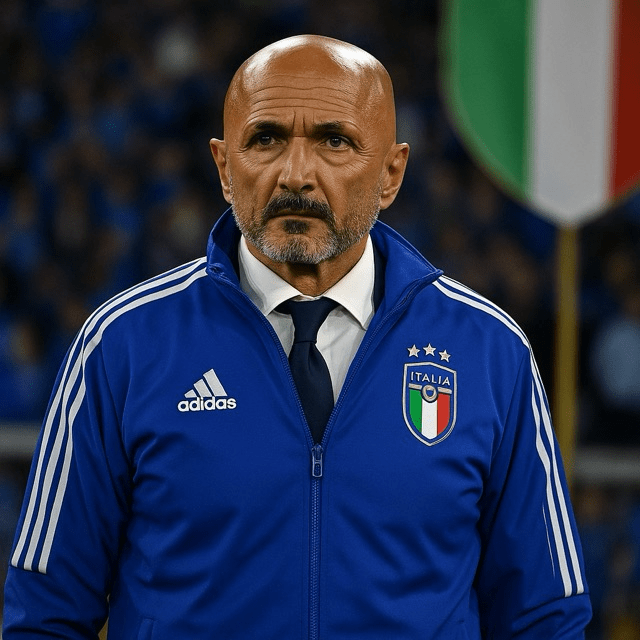
Italy’s national football team has long been more than a sporting institution—it is a cultural symbol and, increasingly, a tool of international diplomacy. From the World Cup to the UEFA European Championship, every appearance by the Azzurri on the global stage represents not only a quest for sporting glory, but also a projection of national identity, values, and soft power. In today’s complex geopolitical landscape, Italy must reconsider how it manages this powerful symbol.
Criticism has been mounting against current coach Luciano Spalletti and the Minister for Sport and Youth, Andrea Abodi. Both are accused of lacking a unified strategic vision that aligns the national team’s image with Italy’s broader international ambitions. Spalletti, despite his experience at club level, has struggled to inspire a coherent tactical identity in the Azzurri. Recent matches have highlighted a lack of innovation, adaptability, and player morale. Supporters and analysts alike have called for a bold reimagining of Italy’s footballing future.
Moreover, the Ministry of Sport has failed to capitalize on football’s potential to serve as an instrument of diplomacy. Unlike other nations that have used sports to foster bilateral relations, promote tourism, or support domestic unity, Italy’s recent efforts appear reactive and fragmented. The Italian Football Federation (FIGC), while powerful, seems to operate in a vacuum, disconnected from governmental strategy and national objectives.
Football is not just a game—it is an international platform. France, Germany, and even smaller nations like Croatia have demonstrated how effective sports diplomacy can elevate a country’s global standing. It’s time Italy followed suit. A new Sports Minister with a forward-thinking, cross-sector approach could bridge the gap between sports and politics, aligning athletic success with broader national interests.
As for Spalletti, his tenure may have run its course. Italy needs a manager who not only understands tactics but embodies the spirit of unity, resilience, and cultural representation. Someone capable of building a team that resonates with the Italian public and projects strength abroad.
Calls for change are not rooted in failure, but in potential. Italy has the talent—both on the pitch and in its political corridors—to redefine how it presents itself to the world. The national football team should not be a mirror of political inertia, but a beacon of transformation, pride, and strategy.
The upcoming international tournaments will serve as a litmus test. Will Italy rise to the occasion and embrace the changes necessary to harness football as a diplomatic and cultural force? Or will it continue to underutilize one of its most powerful tools of soft influence? The time to act is now.


 The Tower Post