Excerpts from ‘No Road Captain: My Life at the Heart of the Peloton’
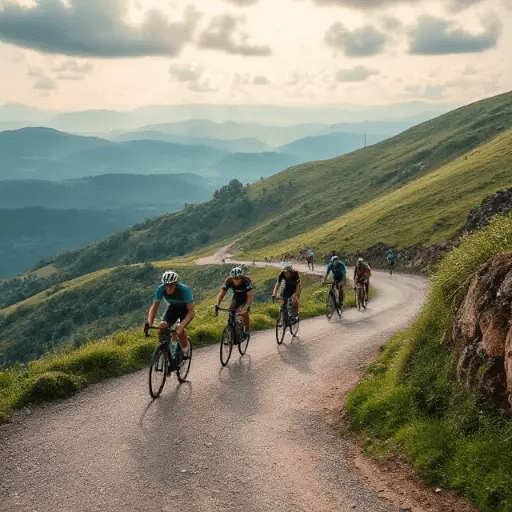
Luke Rowe, the former Sky/Ineos road captain, now a directeur sportif with Decathlon–AG2R La Mondiale, shares his insights on life in the peloton. Rowe’s new book, ‘No Road Captain: My Life at the Heart of the Peloton,’ offers a unique perspective on the world of professional cycling, delving into the intricacies of team dynamics, rider personalities, and the ever-changing landscape of the sport.
Rowe emphasizes the importance of a good road captain, citing Stefan Bissegger and Ben Swift as examples of riders who possess the qualities he values most: directness, bravery, and clarity of instruction. “You don’t know how good they are until you work with them on the radio,” he explains, highlighting the critical role that effective communication plays in the success of a team. Rowe notes that the radio quality in professional cycling is often poor, making it essential for riders to be concise and precise in their communications.
When asked about the inclusion of cobbles in modern Grand Tours, Rowe expresses his skepticism. He believes that the risks associated with these stages outweigh the benefits, pointing out that a rider’s loss can have a significant impact on the overall outcome of the competition. “You lose one of those GC superstars, it’s got a knock-on effect,” he warns, highlighting the delicate balance between risk and reward in professional cycling.
Rowe also discusses the changing nature of the peloton, noting that riders are now more cautious and guarded in their interactions with journalists. He attributes this shift to the rise of social media, which has created a hostile environment for riders who dare to express themselves freely. “People are so cautious and nervous,” he observes, lamenting the loss of the more flamboyant and charismatic riders who once dominated the sport.
One of the most revealing aspects of the conversation is Rowe’s candid discussion of the challenges faced by riders in the peloton. He recalls a time when he and his teammates were stopped at a cafe in a mountain village, where they were met with a mixture of curiosity and suspicion. Rowe reflects on the complexities of life in the peloton, where riders must navigate a delicate balance between their personal and professional lives. “It’s a weird existence,” he admits, highlighting the unique demands and pressures that come with competing at the highest level.
Rowe’s conversation also touches on the topic of Welsh cycling, with some riders expressing their enthusiasm for the idea of a Welsh World Tour team. However, others caution that such a venture would require significant financial backing and infrastructure. Ed Gdula, a former teammate of Rowe’s, notes that a Welsh World Tour team would need a “huge backer, a huge headline sponsor” to succeed, highlighting the significant financial hurdles that such a venture would face.
The conversation concludes with Rowe’s thoughts on the legacy of Lance Armstrong and the current state of the peloton. He notes that the sport has come a long way since the Armstrong era, citing the introduction of the biological passport as a key factor in its rehabilitation. Rowe also reflects on the changing nature of the peloton, where younger riders are increasingly dominating the competition. “It’s a different sport now,” he observes, highlighting the significant shifts that have taken place in the world of professional cycling.
Throughout the conversation, Rowe’s candor and insight provide a unique glimpse into the world of professional cycling. His book, ‘No Road Captain: My Life at the Heart of the Peloton,’ offers a compelling narrative that is both entertaining and thought-provoking, offering readers a deeper understanding of the complexities and challenges faced by riders in the peloton.




 The Tower Post