As Investors Retreat, the UK’s Largest Water Utility Faces a Critical Crossroads
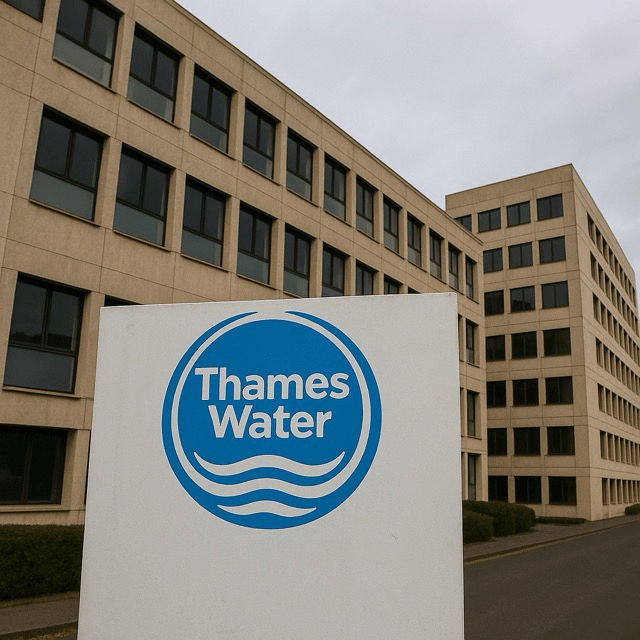
The future of Thames Water, the UK’s largest water utility, is hanging by a thread after the private equity giant KKR unexpectedly pulled out of rescue talks. The sudden move has intensified fears over the company’s financial stability and raised urgent questions about how essential infrastructure will be maintained in one of the world’s leading economies.
KKR’s departure from the negotiating table represents a major setback for Thames Water, which has been grappling with mounting debt, regulatory pressures, and growing public dissatisfaction over service quality and environmental breaches. The company’s long-standing issues—ranging from sewage spills into rivers to aging infrastructure—have become politically toxic, and investor confidence has reached new lows.
The utility was seeking a major capital injection to stay afloat, and KKR had been viewed as a potential lifeline. Its withdrawal sends a chilling signal to other prospective backers and deepens the risk that Thames Water could require government intervention—an outcome that would represent a profound failure of the UK’s privatized water model.
Critics argue that years of underinvestment, combined with excessive dividend payouts to shareholders, have left Thames Water ill-prepared to meet modern environmental and public health standards. As climate change accelerates and the demand for clean, sustainable water systems grows, the company’s fragility is increasingly untenable.
The regulatory body Ofwat is now facing calls to step in more assertively. Yet regulators themselves are under scrutiny for what many see as years of leniency and failure to enforce stricter oversight. Some MPs have even called for renationalisation or the creation of a public-benefit corporation to replace Thames Water’s current ownership structure.
The crisis also highlights broader concerns about private equity’s role in public utilities. Critics say that financial engineering has too often taken precedence over service provision. Meanwhile, the general public is left to bear the brunt of mismanagement through higher bills and deteriorating services.
For its part, Thames Water insists it is continuing to explore funding options and remains committed to improving infrastructure and transparency. However, with credit ratings sliding and investor confidence eroding, the path forward is increasingly narrow.
Whether the government will step in—and what shape such a move might take—remains an open question. Nationalisation would be politically controversial, yet allowing such a critical service to falter could spark public outrage and long-term damage.
What’s clear is that the Thames Water saga is no longer just a corporate or financial story. It is a test of the UK’s ability to manage essential infrastructure responsibly in the face of growing environmental and social challenges.
The coming weeks will likely determine whether Thames Water can survive in its current form or whether a radical restructuring is now inevitable.




 The Tower Post