Why True Democracies Must Unite to Rebuild Global Institutions
From armed conflicts and economic instability to environmental crises and the erosion of human rights, the world today seems more volatile and fractured than at any point in recent history. Global governance, once envisioned as a stabilizing force, now appears paralyzed by competing interests, outdated structures, and authoritarian influences. As the chaos deepens, it becomes increasingly clear that only a coalition of true democracies can lead the charge to reform international institutions and restore global balance.
The United Nations, World Trade Organization, and even the International Criminal Court were all created in a different era—one with different rules, actors, and power dynamics. While these institutions once played key roles in shaping international cooperation, many now view them as ineffective or compromised. Veto powers, bureaucratic inertia, and the presence of regimes that actively undermine democratic values have left the global system broken and vulnerable.
Autocracies have become more assertive. Nations that disregard basic freedoms are gaining influence in global forums, shifting priorities and distorting collective action. In many cases, these actors use their positions not to advance peace or cooperation, but to shield their own abuses and to sow division. This imbalance has real-world consequences: conflicts go unresolved, human rights violations increase, and urgent global issues like climate change and pandemics remain inadequately addressed.
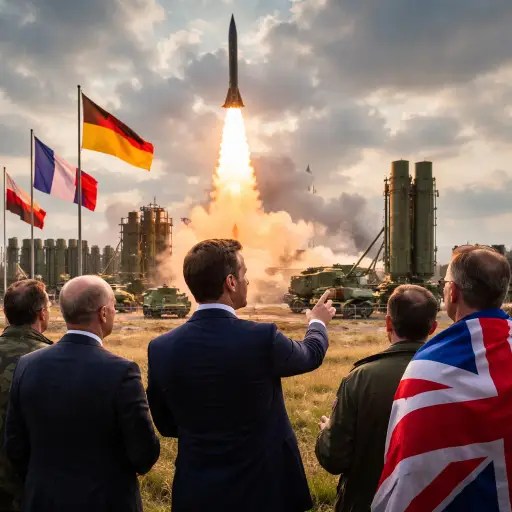
In this context, the world’s established democracies face a historic responsibility. Countries like the United States, Canada, Japan, Germany, France, South Korea, Australia, and others must step up—not as imperial powers, but as stewards of a renewed international order rooted in accountability, transparency, and rule of law.
What is needed is not the abandonment of international organizations, but their reinvention. A democratic alliance could push for a recalibration of global institutions by setting new standards for participation, streamlining decision-making processes, and ensuring that fundamental democratic principles are safeguarded. Reform must include mechanisms to hold violators accountable, protect civil society actors, and guarantee that global aid and policy truly reflect the will of the people.
Such efforts would not be easy. They would face resistance, both from entrenched autocratic regimes and from within democracies struggling with internal polarization. But the alternative—continued dysfunction and drift toward authoritarianism—is unacceptable. History shows that democracy must be defended, not just at home but across borders.
The international community stands at a crossroads. One path leads to further fragmentation and the rise of unchecked power. The other, guided by unity among democratic nations, offers the promise of renewed cooperation and progress.
It is time for action. The stakes are too high, and the consequences of inaction too dire. Democracies must unite—not tomorrow, not in theory, but now.

 The Tower Post