Political Violence Strikes Again as Colombia Faces Uncertain Future
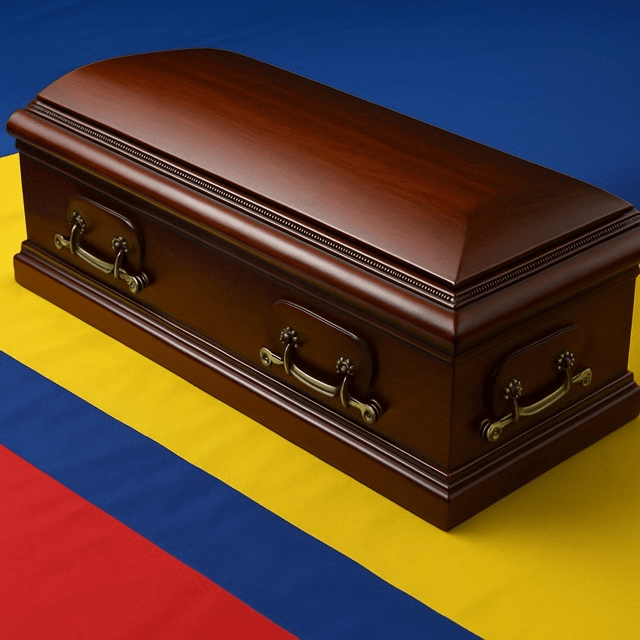
In a devastating turn of events, Colombia has been plunged into political mourning following the death of one of its leading presidential candidates. The politician, who had survived an assassination attempt on Saturday, succumbed to his injuries early Monday morning in Bogotá, intensifying national grief and igniting fresh concerns about the country’s fragile security and democratic stability.
The attack occurred during a public campaign rally in the city of Medellín, where the candidate was addressing a large crowd of supporters. Eyewitnesses reported multiple gunshots, followed by scenes of chaos as people scrambled for safety. Despite being rushed to the hospital in critical condition, the candidate’s injuries proved fatal.
Authorities have not yet disclosed the identity of the assailants, but early investigations suggest the involvement of an organized criminal group with potential political motivations. President Gustavo Petro has condemned the act as “a direct assault on Colombian democracy,” vowing that justice will be served.
The assassination has shocked the nation and sparked international condemnation. The United Nations and the Organization of American States have issued statements urging the Colombian government to ensure a transparent investigation and to reinforce protections for all political actors. “Violence must never be allowed to shape the future of a nation,” the UN statement read.
The late candidate was known for his bold anti-corruption stance and strong grassroots support. His campaign focused on social justice, environmental sustainability, and dialogue with dissident groups. His death leaves a significant void in the race, just months before the election, and has led many to question whether a fair and peaceful electoral process is still possible.
Citizens across Colombia gathered in plazas and streets to hold candlelight vigils in memory of the fallen leader. Supporters wept openly, carrying signs that read “Justice for our voice” and “You will not be silenced.” The tragedy has touched all corners of society, from urban centers to rural communities that had looked to the candidate as a symbol of hope.
Political analysts warn that the assassination could further polarize the country and lead to increased tensions among rival factions. It also raises fears that other candidates may become targets, potentially undermining Colombia’s democratic framework just as it seeks to overcome decades of internal conflict.
The national electoral commission has announced that it will convene an emergency session to evaluate the security protocols for all political events and to discuss potential changes to the election timeline. Meanwhile, security has been tightened across major cities, and intelligence agencies have been mobilized to track down those responsible.
As Colombia mourns the loss of a visionary leader, the nation stands at a crossroads. Will it allow violence to derail its democratic aspirations, or will it unite in the face of adversity to build a more resilient and just political system? The coming days will be crucial in defining the path forward.


 The Tower Post