Designer Pans May Not Be as Safe as You Think
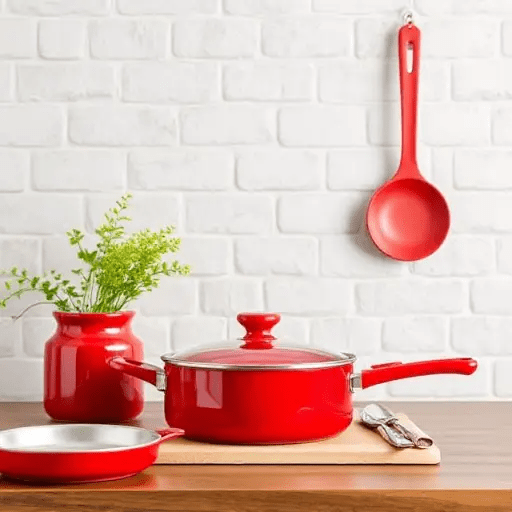
The cookware industry has experienced a surge in popularity in recent years, thanks in part to the success of designer brands like Always Pan and Caraway. These pans, touted as “nontoxic” and “nonstick,” have been endorsed by celebrities and have become social media sensations. However, safety experts are raising questions about the safety of these pans, citing concerns over the use of toxic chemicals and the lack of transparency in their manufacturing process.
The pans in question use a material called “sol-gel,” which is a mixture of silica, metals, and chemicals. While the companies behind these pans claim that they are “ceramic,” independent testing and research suggest that they may not be as safe as they claim. In fact, some studies have found that these pans may contain toxins like titanium dioxide, siloxanes, lead, and mercury. These chemicals have been linked to a range of health problems, including cancer, neurotoxicity, and intestinal inflammation.
One of the main concerns is that the sol-gel material is not a true ceramic, but rather a softer coating that can wear down and leach chemicals into food. This is particularly problematic, as the pans are often used at high temperatures and can be scratched or chipped, releasing toxic chemicals into food. In fact, some of the pans have been reported to lose their nonstick coating within months of purchase, which can lead to the leaching of chemicals into food.
The companies behind these pans have been accused of greenwashing, using marketing tactics to make their products seem safer than they actually are. For example, Always Pan’s maker, Our Place, has admitted that their pans are not true ceramics, but rather a “ceramic precursor” with a different formula. The company has also declined to share the formula for their pans, citing confidential business information laws. This lack of transparency has led to concerns that the companies are hiding the true composition of their pans.
Regulators are starting to take notice of the concerns surrounding these pans. The state of Washington has ordered quasi-ceramic producers to submit their nonstick ingredients to the state’s ecology department, in an effort to learn which chemicals cookware companies are using to replace Teflon or other toxic PFAS. The state is also implementing the nation’s first limits on lead in cookware, setting a limit of 90 parts per million (ppm) next year and 10ppm by 2028.
Public health advocates are also speaking out against the use of these pans, citing concerns over the lack of transparency and the potential health risks. “It’s absolutely ridiculous that consumers have to go through tests and patents to know what they’re buying,” said Laurie Valeriano, executive director of the Toxic Free Future non-profit. “It shouldn’t be up to consumers to sleuth and try to figure out the ingredients in pans so they can protect the health of themselves and their families.”
In contrast, companies that produce traditional ceramic pans, like Xtrema, are using safer materials and manufacturing processes. These pans are made from a solid ceramic piece that can withstand high levels of heat and are less likely to leach chemicals into food. Xtrema’s owner, Rich Bergstrom, has said that he is committed to producing safe and durable pans, and has even eliminated the highest sources of lead from his products.
As the cookware industry continues to grow, it’s clear that consumers need to be more aware of the potential risks associated with these products. By doing their research and choosing safer, more transparent options, consumers can protect their health and the health of their families.




 The Tower Post