A Lack of Representation on Runways and in Marketing Highlights the Need for Authentic Commitment to Plus-Size Customers
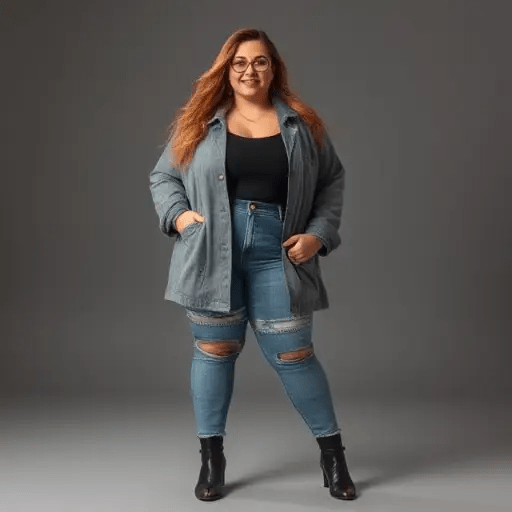
The fashion industry’s recent trend of excluding plus-size models from runways and marketing campaigns has sparked concerns about the industry’s commitment to size inclusivity. Following the fall-winter 2025 fashion month shows, multiple outlets reported a lack of size diversity in runway models, with only 0.3% of looks featuring plus-size models. This decline is particularly striking given that plus-size representation on fall runways was at an all-time high of 2.4% in 2022.
According to Emma Medeiros, president of Medeiros Fashion PR, a public relations firm specializing in the plus-size fashion industry, the lack of size diversity on runways is not a trend, but rather a reflection of the industry’s failure to commit to inclusivity. “It would be wrong to simply think of this as a trend towards inclusivity,” Medeiros said. “Instead, it is brands and retailers looking to gain market share in an important size category.”
The plus-size market is a significant opportunity for brands, with estimates suggesting it will grow annually at a rate of 5.1% through 2032, reaching a value of $114.1 billion. However, the industry’s failure to cater to this market has left customers underserved. Sue Rock, founder and CEO of Sue Rock Originals, a plus-size clothing brand, noted that plus-size clothing has historically been “very boring” and “out of phase” with trends in straight-size clothing.
Brands that have attempted to enter the plus-size market have often made mistakes, such as assuming that all plus-size customers share the same taste or failing to ensure that plus-size garments fit as well as straight-size ones. Steven Green, a plus-size model and consultant, emphasized the importance of using plus-size fit models to achieve a good fit. “A bad fit gives the impression that a brand has put plus-size models in their ads ‘to check a box, versus actually making [size inclusivity] a part of the culture of who they are as a brand,’” Green said.
In addition to ensuring a good fit, brands must also commit to using plus-size models in their marketing campaigns. Medeiros noted that plus-size customers need to be able to see bodies like theirs in clothes before making an investment. “If we find a brand that we love, we’re going to buy 10 of everything,” Medeiros said.
Moreover, the language and messaging used by brands in the plus-size market can be off-putting to customers. Jordan Foland, former head of brand development at Henning, a plus-size businesswear collection, recalled that the marketing language used by brands in the plus-size market was often overly empowering and condescending. “It was so like, ‘You’re powerful, queen,’” Foland said. “I just wanted to be treated like a smart, normal person.”
A truly inclusive brand will “never lose that conversation,” Green said. “They don’t want to just come out with the line,” he said. Inclusion is “who they are, not just what they wanted to represent.” The key is to have representation not only in marketing, but in every level of the brand, Green said. Get plus-size people “at the highest seat,” he said. “Get them into your style rooms, get them into your design room and get them a seat at the table.”
The rewards of committing to size inclusivity are long-lasting, Medeiros said. “This customer will call you out if you’re fake,” Rock said. “And this customer is a cagey and cautious customer. They’ve seen their hearts broken more than once. They have clothing from brands that no longer exist, still in their wardrobes.”
Ultimately, the fashion industry’s failure to commit to size inclusivity is a missed opportunity. By excluding plus-size models from runways and marketing campaigns, brands are not only alienating a significant portion of their potential customer base, but also perpetuating a culture of exclusivity and elitism. As Medeiros said, “What if we told 70% of clients to not come in the door? That’s essentially what brands are doing. They are telling 70% of the population, ‘we don’t want your money.’”



 The Tower Post