Rebranding the Back-to-the-Land Lifestyle for the Modern Era
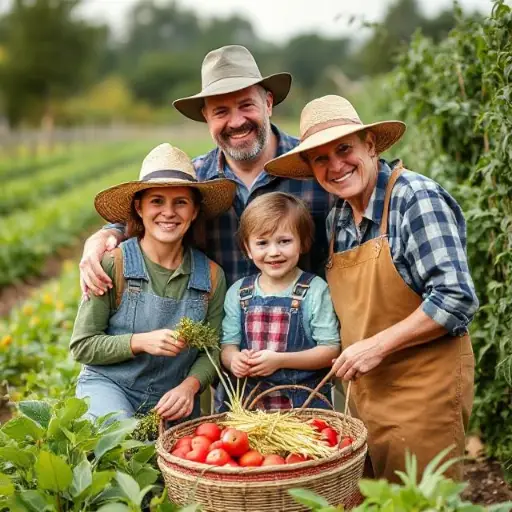
The traditional image of farm life – one of hard labor and rustic simplicity – has undergone a significant transformation in recent years. Gone are the days of wheelbarrow loads and mucked-up boots; instead, the modern farm is a luxury retreat where guests can indulge in gourmet meals, fly fishing, and horseback riding. The rise of agritourism has brought a new level of sophistication to the back-to-the-land lifestyle, with high-end resorts and farm stays offering a unique blend of luxury and immersion in rural life.
One such resort is Blackberry Farm in Tennessee’s Great Smoky Mountains, where guests can stay in a 4,200-acre estate and enjoy activities such as fly fishing, horseback riding, and wine tasting. The farm’s 170,000-strong wine cellar is a testament to its commitment to quality and craftsmanship. Similarly, in Portugal’s São Lourenço do Barrocal, visitors can retreat to a pastoral setting with livestock and olive trees, as well as proximity to a nearby stargazing haven. The resort’s focus on sustainability and regenerative agriculture practices has earned it a reputation as a leader in eco-friendly tourism.
In Mexico’s resort town of San José del Cabo, Flora Farms offers guest rooms and homes to culinary enthusiasts on an intimate family-run property. The farm’s focus on organic and locally sourced ingredients has made it a favorite among foodies and those looking for a more authentic culinary experience. Guests can participate in cooking classes, farm tours, and other activities that showcase the beauty and bounty of rural life.
The appeal of agritourism lies in its ability to offer a more authentic and immersive experience than traditional luxury resorts. Guests can participate in farm-to-table meals, cooking classes, and other activities that showcase the beauty and bounty of rural life. According to Allyson Rees, a senior strategist for trend forecasting company WGSN, the global agritourism market is projected to reach $197.4 billion by 2032, with the US market growing at a rate of 71% between 2019 and 2024.
The rise of agritourism has also been driven by the increasing popularity of social media influencers, who have helped to rebrand the back-to-the-land lifestyle as a desirable and aspirational pursuit. Celebrities such as Gigi and Bella Hadid, Lenny Kravitz, and Meghan Markle have all been photographed participating in farm activities, further fueling the trend. Influencers such as Hannah Neeleman of Ballerina Farm have built massive followings by sharing their experiences on social media, showcasing the beauty and simplicity of rural life.
Beyond its appeal as a luxury experience, agritourism also offers a unique opportunity for guests to connect with the natural world and learn about sustainable farming practices. Many resorts and farm stays are incorporating regenerative agriculture practices and distributing fresh produce to local communities, providing a model for more sustainable and equitable food systems. This trend is not limited to luxury resorts; many small-scale farmers and rural communities are also embracing agritourism as a way to connect with customers and promote their products.
As the world becomes increasingly urbanized and disconnected from the natural world, agritourism offers a powerful antidote to the stresses and pace of modern life. Whether it’s a weekend getaway or a longer-term stay, the modern farm is a place where guests can reconnect with the land, learn new skills, and experience a more authentic and meaningful way of living.




 The Tower Post