London targets Ben-Gvir and Smotrich for incitement amid growing tensions in the Middle East
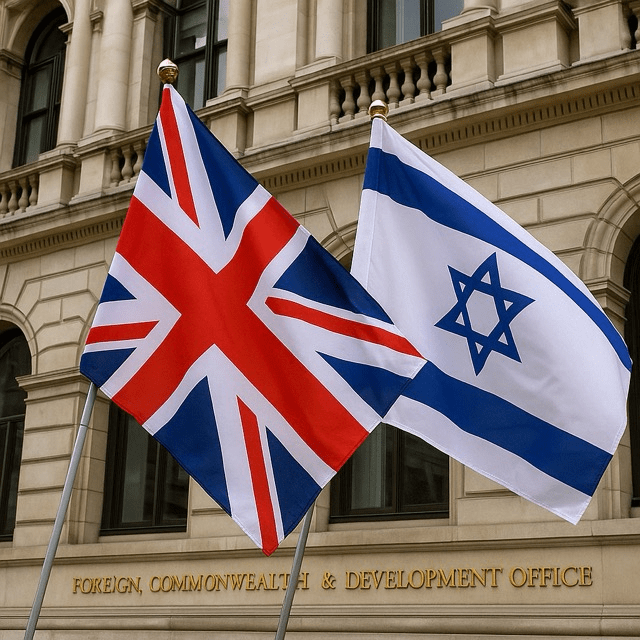
In a striking diplomatic move, the United Kingdom has imposed sanctions on two high-profile Israeli ministers, Itamar Ben-Gvir and Bezalel Smotrich, citing “repeated incitement to violence against Palestinian communities.” The decision, announced by the UK Foreign Office, marks a rare instance of Western sanctions targeting sitting members of the Israeli government.
The sanctions are part of a broader effort by the UK and a growing number of allied nations to hold public officials accountable for inflammatory rhetoric and policies that are seen to fuel tensions in the occupied Palestinian territories. The measures include travel bans, asset freezes, and a prohibition on any UK-based entities conducting financial transactions with the sanctioned individuals.
“The UK condemns all forms of incitement and violence,” the Foreign Office said in an official statement. “Actions and language that undermine prospects for peace and escalate tension are unacceptable. These sanctions reflect our commitment to international law and the protection of civilians.”
Itamar Ben-Gvir, Israel’s Minister of National Security, and Bezalel Smotrich, Minister of Finance, have been controversial figures both domestically and internationally. Known for their hardline nationalist views, both men have made numerous public statements interpreted as inflammatory toward Palestinians. In recent months, Ben-Gvir has advocated for aggressive security crackdowns in the West Bank, while Smotrich has publicly dismissed Palestinian statehood and supported the expansion of Israeli settlements.
The response from the Israeli government was swift and critical. In a joint statement, Ben-Gvir and Smotrich denounced the sanctions as “hypocritical and politically motivated,” accusing the UK of “undermining Israeli sovereignty” and “rewarding terror.”
Meanwhile, human rights organizations and international observers have largely welcomed the move. Amnesty International praised the UK for “taking a principled stand against incitement and human rights abuses.” European Union officials are reportedly in discussions about whether to adopt similar measures, while Canada and Australia have signaled support for the UK’s decision.
The diplomatic fallout is expected to impact relations between Israel and its Western allies, particularly in multilateral forums. Analysts suggest that the sanctions may also embolden more moderate elements within the Israeli political sphere who have criticized Ben-Gvir and Smotrich for exacerbating tensions with the Palestinian population.
The move comes at a time of heightened violence and political uncertainty in the region. The situation in the West Bank has deteriorated, with frequent clashes between Israeli forces and Palestinian civilians. The international community has called repeatedly for de-escalation, but progress on peace negotiations remains stalled.
By targeting individuals rather than the state of Israel itself, the UK seeks to draw a clear line between legitimate security concerns and what it deems to be extremist rhetoric and actions. Whether this approach will alter behavior or further harden positions remains to be seen.
As the global conversation around accountability and peace in the Middle East evolves, the UK’s sanctions signal a growing willingness by Western nations to intervene diplomatically in ways once considered taboo. For Ben-Gvir and Smotrich, the international spotlight now comes with concrete consequences.




 The Tower Post