A New Era of Personalization in the World of Ultra-Luxury Cars
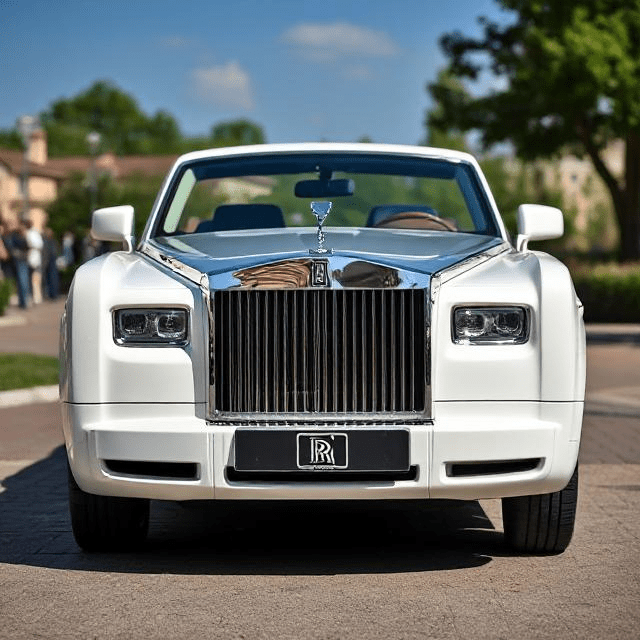
In a bold move, Rolls-Royce is abandoning the mass production approach adopted by many of its competitors, instead focusing on exclusivity and bespoke luxury. The British luxury car brand is investing heavily in its bespoke program, which allows clients to commission unique, personalized vehicles with tailored paint colors, special materials, and other bespoke features.
According to Jon Colbeth, the newly appointed president of Rolls-Royce North America, the company’s decision to prioritize exclusivity over mass production is a deliberate choice. “There are plenty of manufacturers with very expensive cars out there with full showrooms right now,” Colbeth said in a recent interview with ABC. “We want to invest in the brand, we want to continue investing in the brand, but we want to grow it with bespoke.”
To support this strategy, Rolls-Royce is investing $370 million to expand its plant in Goodwood, England. The upgrades will help alleviate bottlenecks in the current production process, allowing the company to apply two-tone color schemes on more cars and create even more bespoke vehicles.
Colbeth emphasized that Rolls-Royce is not interested in increasing production numbers or promoting its cars with celebrity endorsements. “The brand speaks for itself,” he said. “Our focus is adding bespoke capacity and allowing each commission to be more special for clients.”
This approach is a departure from the traditional luxury car market, where brands like BMW and Mercedes have focused on increasing production numbers to meet growing demand. However, Rolls-Royce is confident that its commitment to exclusivity and bespoke luxury will pay off.
The company’s strategy is not without precedent. Other ultra-luxury car brands, such as Ferrari and Porsche, have also recognized the potential of bespoke luxury and have launched their own customization programs. Ferrari’s Tailor Made and Atelier programs, for example, allow clients to personalize their vehicles with tailored paint colors, special materials, and other bespoke features.
Ferrari’s bespoke program has been a major success, with the company generating around $1.35 billion in revenue from personalization in 2024, accounting for about a fifth of its overall revenues. Porsche’s Sunderwunsch program, which allows clients to commission special wishes, has also been popular among luxury car enthusiasts.
Rolls-Royce’s commitment to bespoke luxury is not limited to its cars. The company’s Private Offices program, which allows clients to commission bespoke vehicles, is a key part of its strategy. In these offices, clients can work with Rolls-Royce’s designers and engineers to create truly one-of-a-kind vehicles that reflect their individual style and preferences.
As the market for ultra-luxury cars continues to evolve, it’s clear that Rolls-Royce is taking a bold and innovative approach to staying ahead of the competition. By prioritizing exclusivity and bespoke luxury, the company is creating a unique and compelling value proposition that is likely to resonate with its discerning clients.
“We need to grow the future of Rolls-Royce,” Colbeth said. “We’ve been around for 120 years… and we’re going to be around for a long time. We’re stewards of the brand. Our responsibility is to cherish it.”
With its commitment to bespoke luxury, Rolls-Royce is well-positioned to continue its legacy as one of the world’s most iconic and exclusive luxury car brands.




 The Tower Post