How startups are navigating tight capital markets with innovation and agility
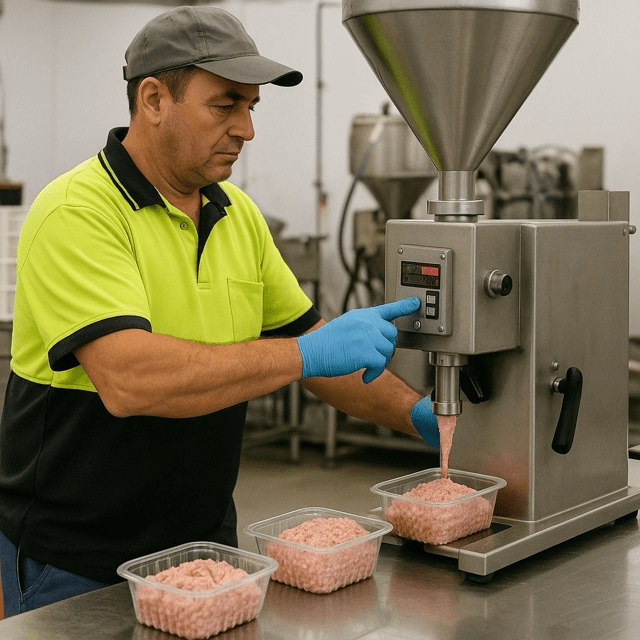
In 2025, the food technology sector faces a challenging fundraising landscape as venture capitalists and corporate backers adopt a more cautious stance. After a period of aggressive investment in alternative proteins, vertical farming, and precision fermentation, investors are demanding clearer paths to profitability and demonstrable unit economics. While headline-grabbing deals have become rarer, leaner funding rounds are prompting startups to sharpen their focus, optimize operations, and forge strategic partnerships to extend their runway.
One of the most significant trends this year is the shift from disruptive moonshot bets to incremental innovation. Early-stage companies are prioritizing product-market fit over ambitious scale-up projections, conducting pilot programs with select restaurant chains and grocery partners to validate demand. For instance, a plant-based cheese startup that raised a $15 million Series A in 2022 has pared back its expansion plans, focusing instead on refining its core cashew-based ricotta for artisanal pizza makers and boutique cheese shops.
Investors, in turn, are demanding more rigorous due diligence on technical milestones. Precision fermentation ventures must now demonstrate consistent yield and cost metrics at bioreactor scale, while vertical farming startups face scrutiny over energy consumption and real estate expenses. “We want to see a clear path to $5 per kilogram production costs,” notes one agritech-focused fund manager, highlighting the need for operational transparency. Companies that fail to meet these thresholds risk dilution or being sidelined in favor of more capital-efficient peers.
To stretch limited capital, food tech entrepreneurs are adopting lean methodologies borrowed from the software world. Continuous deployment principles have migrated into R&D workflows, allowing rapid iteration on fermentation media compositions or hydroponic nutrient recipes. Modular pilot plants—scaled to 100- to 500-liter bioreactors—enable quick swap-outs of variables without the overhead of large-scale facilities. This ‘test-and-learn’ approach has become a vital discipline for teams working with constrained budgets.
Strategic partnerships with incumbent food companies are also gaining prevalence as a means of reducing burn rates. Large consumer goods firms offer co-development agreements, pilot facility access, and purchase commitments in exchange for minority equity stakes. Such alliances insulate startups from the full cost burden of commercialization and provide validation in conservative markets like dairy or meat substitutes. In many cases, these collaborations lead to joint branded launches, whereby big brands market the startup’s novel ingredients under a co-branded label.
Public funding and grants continue to play a supportive role, especially in regions prioritizing agricultural sustainability. The European Innovation Council’s EIC Accelerator grants and Canada’s Sustainable Canadian Agricultural Partnership have disbursed non-dilutive capital to precision fermentation projects addressing protein diversification. Although these grants typically cover only 30–50% of project costs, they offer critical breathing room for startups to de-risk processes and attract follow-on investors.
Despite lean funding, several sub-sectors within food tech are capturing investor attention. Cell-cultured seafood, for instance, has seen a consolidation of startups pursuing bluefin tuna and shrimp, with smaller rounds (typically $10–20 million) fueling pilot plant construction. Similarly, upcycled ingredients derived from food waste—such as whey protein or spent grain fibers—have attracted corporate venture arms interested in low-cost raw materials. These niches reflect a broader move toward supply chain resilience and circular economy principles.
As fundraising rounds shrink, founders emphasize the importance of clear messaging and milestone-driven roadmaps. Pitch decks now foreground unit economics, customer acquisition costs, and pilot validation data over lofty Total Addressable Market (TAM) figures. Boards are populated with operators—COOs and CFOs—tasked with operationalizing budgets and meeting quarterly targets. This pragmatism marks a departure from the exuberance that characterized earlier funding cycles.
Looking ahead, the lean funding era may yield a more resilient food tech ecosystem. Companies that survive under tighter capital constraints will likely possess stronger fundamentals, greater cost discipline, and deeper partnerships. While the pace of high-profile liquidity events may slow, the sector’s long-term potential—driven by sustainability imperatives and shifting consumer preferences—remains intact. For entrepreneurs, the lesson of 2025 is clear: innovation flourishes not solely on the abundance of capital but on the discipline to do more with less.




 The Tower Post