A New Approach to Snoozing, Decoded by Sleep Experts
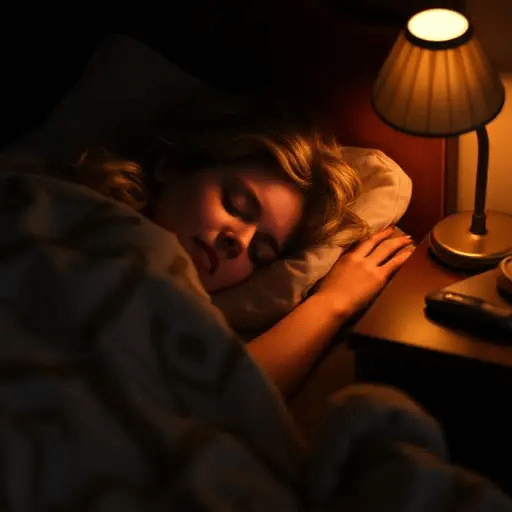
Sleep is the foundation of our health, yet it remains shrouded in mystery. For years, we’ve been told to aim for a magical 8 hours of sleep, but the truth is, there’s no one-size-fits-all solution. Thanks to cutting-edge research and expert insights, we’re finally cracking the code on what truly matters for a restful night’s sleep.
One of the biggest misconceptions is that we need 8 hours of sleep. While the recommended range is still 7 to 9 hours, experts like Wendy Troxel, PhD, a senior behavioral and social scientist with RAND, argue that sleep needs can vary greatly from person to person. “We now recognize that sleep needs can vary, with some people requiring more and others less,” she says. Quality sleep, not just quantity, is key. Maintaining regular sleep patterns, with consistent bed and wake-up times, is crucial, as a study published in Sleep found that this can lower the odds of death from any cause by up to 48%.
Another common mistake is setting multiple alarms, thinking it will help us avoid oversleeping. But, as Shelby Harris, PsyD, director of sleep health at Sleepopolis, warns, “Hitting snooze interrupts your final stages of sleep and leaves you feeling groggy.” Instead, try setting just one alarm and getting up with it. Over time, your body will adjust, making it easier to rise.
Sleep hygiene, while important, is not a standalone solution for chronic sleep issues like insomnia. Cognitive behavioral therapy for insomnia (CBT-I) is the gold-standard treatment, which involves techniques like limiting bed time, avoiding naps, and identifying and rewriting unhelpful thoughts and beliefs surrounding sleep.
When it comes to supplements, don’t rely on them as a quick fix. “Taking supplements without making other healthful dietary choices won’t solve all of your problems,” says Marie-Pierre St-Onge, PhD, a sleep and nutrition expert at Columbia University. Eating a sleep-supporting diet all day long, rich in fiber-rich foods and healthy fats, is key. This diet provides the nutrients necessary for your body to produce melatonin and serotonin, which can help you fall asleep and stay asleep.
How you feel when you wake up is a better gauge of good sleep than relying on sleep trackers. “How you feel when you wake up, your alertness during the day, and your ability to fall asleep readily are all reliable tells on whether you’re snoozing well or not,” says St-Onge.
Sleeping apart from your partner, or a “sleep divorce,” is becoming more accepted, and experts like Troxel argue that it can have benefits for relationships. To maintain intimacy, plan to spend time together before parting ways every night.
It’s also essential to shift your mindset when it comes to sleep. Don’t assume that if you can’t sleep immediately, tomorrow will be awful. “Even if you’re just resting, that’s still helpful,” says Harris. If you’re stuck, get up and do something restful, like reading a book.
Menopause and perimenopause can wreak havoc on sleep due to changing hormones and stress. Effective treatments include cognitive behavioral therapy for insomnia, cooling environments, and hormone therapy. Women must advocate for themselves and don’t accept poor sleep as something to endure.
Ultimately, the key to better sleep is to do what works for you, today. Don’t be afraid to experiment and find what helps you sleep best. And, as St-Onge advises, “Think twice about booze” and consider the impact of alcohol on your sleep.
By following these 12 essential rules, you can revolutionize your sleep and wake up feeling refreshed, renewed, and ready to take on the day.




 The Tower Post