Embracing Frugal Living and Sustainable Style
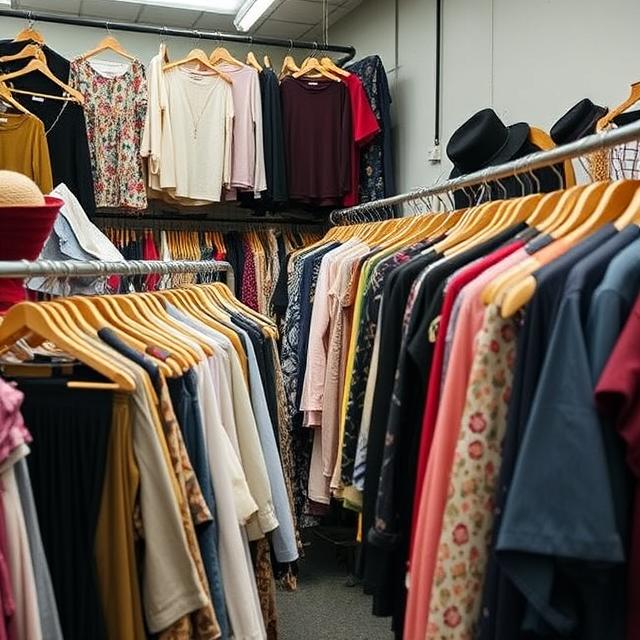
In a surprising shift from its reputation for luxury and high-end fashion, France has emerged as a leader in the secondhand fashion market. According to a recent study by the Circular Fashion Federation, France accounted for over a quarter of Europe’s secondhand fashion revenue in 2024, with a projected annual growth rate of 7.4% by 2030. This trend is not just a result of economic necessity, but also a conscious choice to adopt more sustainable and environmentally-friendly fashion practices.
In the town where I live, the high street is largely devoid of traditional fashion retailers, but it is filled with secondhand stores, charity shops, and jumble sales specifically for clothes. A local app called Toototoor, which was born in a nearby village, promotes social links through the exchange or gifting of services, transport, and goods, including clothes. My own supply of pre-loved outfits is supplemented by a Dutch mother at my son’s school, who is generous enough to pass on her children’s hand-me-downs, and my friend Sophie, who is slowly divesting herself of her Parisian wardrobe and giving me first refusal.
This shift towards secondhand fashion is driven by a combination of factors, including the cost of living crisis, the development of online platforms such as Vinted, and a growing awareness of the devastating effects of fast fashion on developing countries. According to a report by the Ellen MacArthur Foundation, the fashion industry is responsible for around 10% of global greenhouse gas emissions, and the production of synthetic fabrics such as polyester and nylon is a significant contributor to microplastic pollution in the oceans.
In France, the trend towards secondhand fashion is also driven by government initiatives aimed at reducing waste and promoting sustainable consumption. In 2023, the government launched a scheme offering financial aid to businesses that repair and upcycle clothing, rather than discarding it. Additionally, the government has introduced a tax credit for individuals who donate clothing to charity, and has implemented a system of deposit-refund for clothing collected from the streets.
The financial outlay on fashion experimentation is significantly smaller with secondhand clothes than with brand new garments, making it more accessible to people who want to try out new styles without breaking the bank. As I discovered, a secondhand hot-pink lace shirt that was condemned by an acquaintance as “trop Barbie” cost me just €2, and my latest purchase, a loose-fit, green denim Levi’s jacket, was a snip at €20. This affordability is a major factor in the growth of the secondhand fashion market, particularly among younger consumers who are looking for ways to express themselves without sacrificing their financial stability.
The impact of secondhand fashion on the environment is also significant. According to the United Nations, the fashion industry is projected to produce over 12% of global greenhouse gas emissions by 2050, making it one of the largest contributors to climate change. By choosing secondhand clothing, consumers can reduce their carbon footprint and support a more circular economy.
As the world grapples with the environmental and social impacts of fast fashion, France’s adoption of secondhand fashion is a welcome trend. It is a reminder that fashion can be both stylish and sustainable, and that even the most unlikely of places can become a hub for environmentally-friendly consumerism.



 The Tower Post