Cryptocurrency outreach, critical‑minerals promises, oil and LNG deals—and a well‑timed charm offensive—have lifted Islamabad’s stock in the White House. The mix is transactional, controversial and, for now, effective.
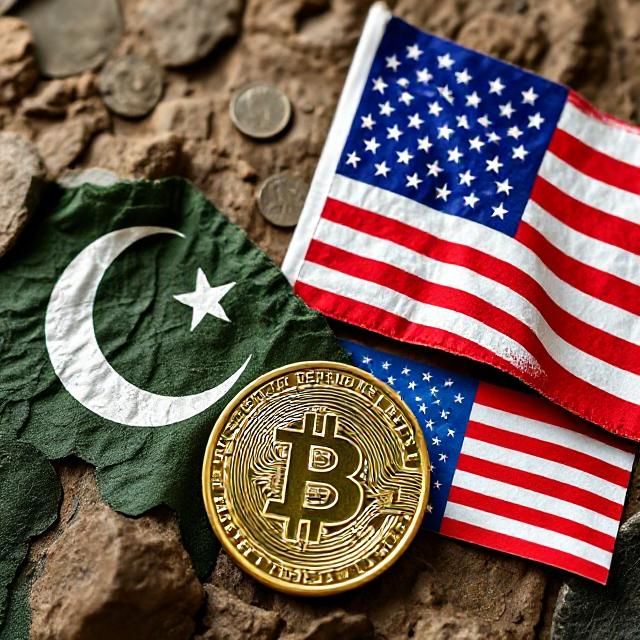
Islamabad/Washington – For years, Pakistan’s relationship with the United States veered between cool pragmatism and outright frustration. This summer, it has turned unexpectedly warm. A flurry of trade overtures, digital‑assets diplomacy and energy talks—wrapped in a conspicuous layer of presidential flattery—has nudged Islamabad back into favor at the White House. The result is a tentative reset: not an alliance, but a reopening of doors long kept ajar at best.
The shift has been building for months. In late July and early August, Pakistani officials touted a tariff arrangement that they say will ease access for exports to the U.S. market, framing it as the centerpiece of a broader economic thaw. President Donald Trump, never shy about superlatives, paired the trade storyline with claims of a coming partnership to tap Pakistan’s ‘massive’ oil reserves—an assertion that surprised energy experts but underscored the new rhetorical alignment. In parallel, Islamabad moved to the front of the policy queue on digital assets, promoting a legal framework for virtual‑asset service providers and a central‑bank digital‑currency pilot while dispatching envoys to meet Trump’s advisers on crypto.
Officials in Islamabad frame the approach as hard‑nosed. ‘Our aim is market access, investment and energy security,’ one senior economic aide told local media, describing the talks as a chance to repair a lopsided trade relationship and smooth access to dollar financing. The charm component has been no secret. Prime Minister Shehbaz Sharif has publicly praised Trump’s peacemaking efforts in the Caucasus and South Asia, and Pakistani delegations have offered a steady stream of compliments in Washington about the administration’s focus on ‘deals, not lectures.’
Energy sits at the heart of the reset. Pakistan’s power system still leans on imported fuels and is vulnerable to global price swings. Policymakers have explored first‑ever imports of U.S. crude to help balance trade and secure supply, even as LNG remains a critical bridge for the grid. Industry analysts expect Pakistan’s LNG demand to hold steady or rise slightly in 2025‑26 as growth stabilizes and interest rates fall. Trump’s talk of oil development, meanwhile, has spotlighted geology that is more prospective than proven; decades of exploration have yielded modest reserves relative to the hype. Supporters of deeper U.S. energy engagement say the real value is in technology, financing and trading relationships that reduce Pakistan’s exposure to shocks.
The minerals piece is more concrete. Islamabad has spent 2025 pitching itself as a serious node in the West’s critical‑minerals supply chain, with copper at the center. The Reko Diq copper‑gold project in Balochistan, led by Barrick, already anchors that story; the government has courted U.S. and Gulf capital to expand downstream refining and associated infrastructure. Officials have also floated incentives to map and develop other strategic minerals, from rare‑earth elements to lithium‑bearing clays, with an eye to battery and grid‑equipment supply chains. For Washington, courting a partner outside China’s orbit has clear appeal—if security and governance risks can be managed.
Then there is crypto. Pakistan’s central bank has slated a pilot for a digital rupee and the government has telegraphed a regulatory regime for virtual‑asset firms. In late July, a high‑level delegation met U.S. counterparts to plug ‘Web3’ cooperation and anti‑money‑laundering standards. The pitch is equal parts image and industry: align with a U.S. administration friendlier to digital assets, attract investment and training, and channel some of Pakistan’s surplus off‑peak power into data‑center and mining loads—while keeping a close eye on financial‑crime risks. Skeptics in Washington warn that a crypto‑heavy rapprochement invites oversight; congressional committees are already probing the political optics of any sweetheart treatment.
Behind the transactional headlines lie harder questions familiar to both capitals. Pakistan’s debt service remains heavy, constraining fiscal space. The IMF program is on track but delicate. Growth is recovering, yet formal employment creation lags. Energy arrears, circular debt and grid losses continue to sap public finances. U.S. officials, meanwhile, weigh the benefits of re‑engagement against a crowded foreign‑policy slate and the risk of blowback from India, where relations have cooled amid trade spats and divergent rhetoric. The Biden years’ emphasis on values has given way to Trump‑era dealmaking, but bureaucracies move slower than speeches.
Security sits close to the surface of every conversation. Balochistan, where the largest mineral prospects sit, has endured insurgency and periodic attacks on infrastructure. Any rapid move to expand extraction or build refineries will demand deeper engagement with local communities and stronger protections for workers and assets. Energy infrastructure—pipelines, LNG terminals, grid nodes—faces similar challenges. U.S. investors will seek concrete risk‑mitigation: political‑risk insurance, credible dispute resolution and transparent contracting, not just ribbon‑cuttings.
Still, there is a sense, in Islamabad at least, that a window has opened. The tariff talks—if translated into written commitments—could lift textiles, leather goods and food exports. A structured crude‑import program would diversify supply and signal intent to rebalance trade. Minerals agreements that add value at home could deepen ties and blunt criticism that Pakistan exports rocks and imports jobs. And a credible, enforceable digital‑assets framework could shift the crypto story from speculation to infrastructure—payments, identity, compliance tech—where U.S. firms have real offerings.
The hardest work may be political. Pakistan’s leaders are leaning into a style of diplomacy that matches Trump’s: flattery forward, deliverables pending. That carries risks. If White House attention drifts or the administration demands ever bigger concessions, Islamabad could be left exposed. At home, critics warn that gilded narratives cannot hide the grind of reform: fixing tax collection, cutting losses in state‑owned enterprises, and de‑risking investment with rule‑of‑law basics. Abroad, a U.S. pivot toward Pakistan will be read in Delhi, Beijing and the Gulf as a signal—and potentially as a provocation.
For now, both sides are banking small wins. Washington gets a partner eager to align on supply chains and hydrocarbons at a moment of volatility. Islamabad gets a shot at exports, investment and symbolic validation. Whether the courtship matures into something sturdier will depend on what comes after the photo‑ops: inked contracts, credible timelines and shared tolerance for the inevitable setbacks of doing business in the real world.
If the bet pays, 2025 will be remembered as the year Pakistan’s diplomats mixed tokens, tonnes and tankers into a workable blend—and used it to uncork doors in Washington that once seemed sealed. If it does not, the episode will stand as a cautionary tale about mistaking flattering words and headline deals for durable strategy.

 The Tower Post