How American Tipping Culture is Changing Italy’s Restaurant Scene
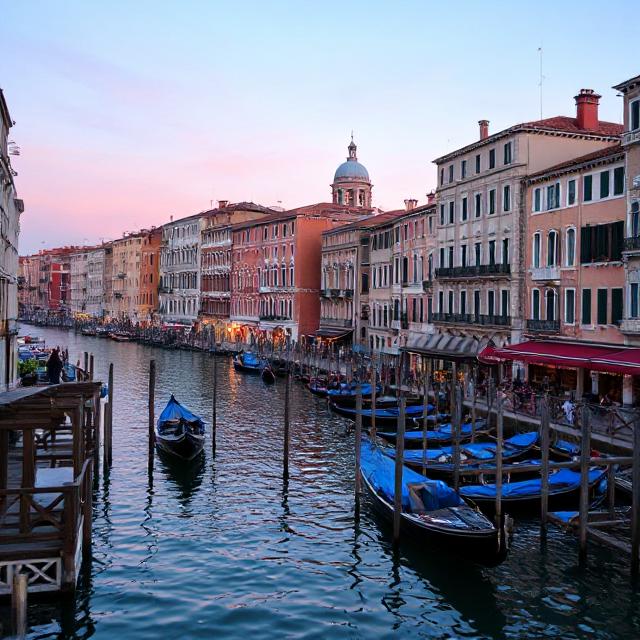
As I sat sipping an outrageously priced cappuccino at Caffè Florian on St. Mark’s Square in Venice, I witnessed a clash of cultures. An American couple, well-dressed and obviously wealthy, gulped their coffees and left a massive tip – 20 or 30 euros, more than the price of the actual drinks. The waiter scowled and said, in broken English, “We don’t tip so much in Italy – that is not necessary or welcome.” The couple was shocked, having been accustomed to leaving large tips in the United States.
This incident highlights the growing trend of American-style tipping in Italy, where the tradition of leaving small tips is slowly being replaced by the expectation of larger gratuities. According to Jenifer Vinson, an American-Italian massage therapist who has lived in Rome for over 20 years, this shift in tipping culture is a concern. “You cannot expect Italians making under €2,000 a month to eat out if a 15- to 20-per-cent tip is automatically expected to be added to the check,” she said.
A Financial Reason for the Small Tips Tradition
In Italy, restaurant and bar employees receive regular salaries and paid holidays, plus state benefits such as healthcare. Employers have a contractual obligation to pay their staff a modest wage. Many restaurants in Italy are family-owned, with the proprietors often doing the cooking and serving. They expect to make their income from menu prices, not tips. This approach is known as the “service included” model, where the price of the meal already includes a service charge. However, the tipping culture is changing, and many restaurant owners are now expecting high tips from tourists.
The expectation of large tips from tourists is a threat to Italian tradition. Italian families, generally speaking, are not wealthy, and the pressure to leave high tips may deter them from eating out. According to a survey conducted by the Italian National Institute of Statistics (ISTAT), the average monthly income of an Italian family is around €2,500. This means that leaving a 15-20 per cent tip on a meal can be a significant burden for many families.
A Contrast to the Rest of Europe
In contrast to Italy, other European countries such as Spain and Portugal have a similar small tips tradition. Filippo Dell’Aquila, the manager of Ristorante Jole in Rome’s semi-touristy Testaccio neighbourhood, says that Italians, along with the Spanish and Portuguese, usually leave small tips, maybe five per cent, sometimes nothing at all. “Americans are leaving big tips, as if they have to pay a set percentage,” he said. “Italians don’t do that. They leave tips depending on what their heart says, if they loved the meal or were surprised by the quality of the wine.”
The growth of tourism in Italy has contributed to the shift in tipping culture. Americans and Canadians, who are accustomed to leaving large tips, are influencing the way that Italians tip. A recent Pew Research Center report found that more than 80 per cent of Americans who go to sit-down restaurants always leave tips. In contrast, Italians tend to leave small tips, and the expectation of large tips is not a part of their culture.
However, there are still some areas in Italy where the old tradition of small tips remains. In the non-touristy, rural parts of Italy, such as Umbria, tips are virtually unheard of. In fact, I was tipped as a customer by the restaurant owner, a charming reversal. This suggests that the shift in tipping culture is not universal and that there are still some areas where the old tradition of small tips remains.
The changing landscape of tipping in Italy is a complex issue. While the expectation of large tips from tourists may be a concern, it is also a reflection of the growing influence of American and Canadian culture in Italy. As tourism continues to grow, it remains to be seen how the tipping culture in Italy will evolve. According to a report by the Italian Tourism Board, the number of tourists visiting Italy has increased by 10% in the past year alone. This growth in tourism is expected to continue, and it will be interesting to see how the tipping culture in Italy adapts to this changing landscape.
As tourists, we have a responsibility to respect the local culture and traditions. In Italy, leaving large tips can be seen as a sign of disrespect for the local way of life. By understanding and respecting the local culture, we can help to preserve the unique traditions and customs of Italy. As Jenifer Vinson said, “It’s fine if high earners want to leave a 10-per-cent tip for exceptionally good service. But that’s enough.”
The Future of Tipping in Italy
The future of tipping in Italy is uncertain, but one thing is clear – the tradition of leaving small tips is slowly being replaced by the expectation of larger gratuities. As tourism continues to grow, it will be interesting to see how the tipping culture in Italy evolves. Will the old tradition of small tips prevail, or will the influence of American and Canadian culture continue to shape the way that Italians tip? Only time will tell.




 The Tower Post