The remittances giant bets on Latin America as it seeks to revive growth; closing targeted for mid‑2026 pending approvals.
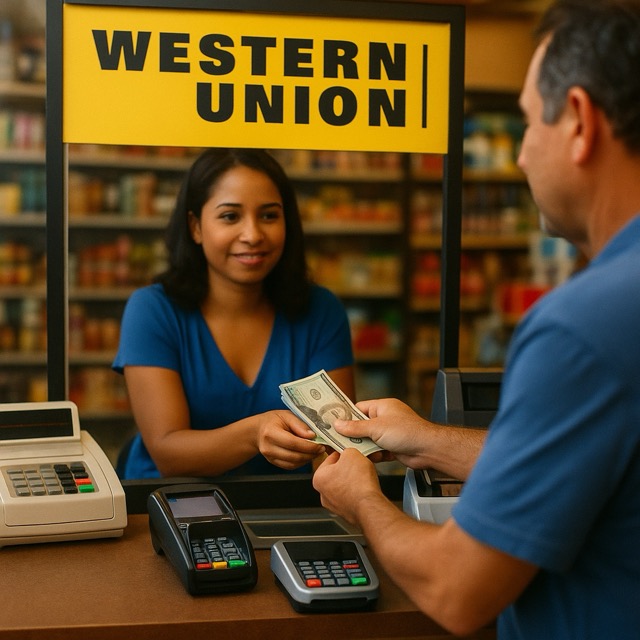
Western Union has agreed to acquire International Money Express, better known as Intermex, in an all‑cash transaction valuing the Miami‑based remittances specialist at about $500 million. The offer prices Intermex at $16 a share — a premium of more than 70% to its last close before the deal was announced — and underscores Western Union’s push to reignite growth in key North American and Latin American corridors after years of stiff competition from digital‑first rivals.
Announced on August 10, the transaction combines one of the world’s largest money‑transfer franchises with a company that has carved out deep ties in U.S.–to–Latin America routes. Western Union says the purchase will be accretive to adjusted earnings by more than ten cents per share in the first full year post‑close, and that it expects roughly $30 million in annual run‑rate cost synergies within two years of completion.
The companies portray the deal as a marriage of scale and specialization. Intermex brings a loyal base of roughly six million customers and dense agent relationships across Hispanic communities in the United States, along with strong receiving networks in Mexico, Guatemala and the Caribbean. Western Union contributes a global brand, a cross‑border payments platform that spans hundreds of thousands of retail locations in more than 200 countries and territories, and a growing digital presence.
While both firms have invested in apps and account‑to‑account transfers, their core remains cash‑to‑cash remittances — a market that, even in an era of smartphones, still depends on neighborhood convenience stores, bodegas and small supermarkets where migrants send money home. By adding Intermex’s footprint to its own, Western Union is betting that a larger, better‑utilized retail network can lower unit costs, widen distribution and act as a funnel for digital onboarding.
Deal terms reflect that calculation. The $16‑per‑share price equates to roughly half a turn of Intermex’s 2024 sales, according to public filings, and arrives after the target warned of softer transaction volumes earlier this year. The buyer says integration should proceed in phases, with a coordinated plan designed to minimize disruption for customers and agents; Intermex will continue to operate as usual until closing.
Regulatory review looms as the largest variable. The merger requires clearances under the Hart‑Scott‑Rodino Act and approvals from financial regulators, as well as a vote of Intermex shareholders. Western Union and Intermex expect to finalize the deal by mid‑2026, but timing will hinge on antitrust scrutiny of competition in certain outbound U.S. corridors — notably to Mexico — where both companies are significant players. Industry analysts say the presence of other incumbents and digital challengers, including MoneyGram, Remitly, Wise and WorldRemit, could mitigate concentration concerns.
Strategically, the logic is straightforward: win in the Americas. Cross‑border flows from the United States to Latin America and the Caribbean have been among the world’s fastest‑growing remittance corridors, buoyed by strong labor markets in the U.S. and resilient family support needs across the region. Intermex, founded in 1994, built its brand on reliability and cultural fluency in those communities — from bilingual customer service to long‑standing ties with mom‑and‑pop agents — precisely the attributes Western Union wants to deepen.
For Western Union, the acquisition also addresses a tactical challenge: how to keep its sprawling retail network relevant as more customers migrate online. The company has pitched an “omni‑channel” play in which cash customers are gradually nudged to digital rails where economics can be stronger. Intermex’s customer relationships and targeted storefronts, executives argue, can accelerate that migration while preserving cash access for those who need it.
The price tag, while modest for a company of Western Union’s size, still represents a meaningful bet on execution. Delivering the promised $30 million in expense savings will likely require consolidating overlapping locations, harmonizing compliance and risk systems, and negotiating better terms with paying agents and banking partners. Revenue synergies are possible, too, if Intermex’s customers adopt Western Union’s broader mix of account payouts, wallets and card funding options.
Customer impact should be limited in the near term. Until regulators sign off and the shareholder vote is complete, both companies will continue operating separately. Agents are being told to expect continuity in settlement, pricing and support. Over time, consumers could see expanded receiving options and, potentially, sharper pricing as the combined company wrings out costs and competes head‑to‑head with mobile‑centric rivals.
The deal arrives as Intermex navigates a tougher patch. The company has reported pressure on transaction counts and paused quarterly guidance, even as it maintains annual revenue around the mid‑$600 million mark. Management has pointed to a softer consumer backdrop and corridor‑specific dynamics. For Intermex shareholders, the cash offer crystallizes value after a period of volatility; for Western Union, it offers a bolt‑on that could be earnings‑accretive without stretching the balance sheet.
Antitrust lawyers will zero in on market definition. If regulators view remittances as a broad market that includes banks, fintechs and an array of digital providers, concentration ratios will look less daunting. If they define narrower corridor‑level markets — say, U.S.‑to‑Mexico cash pay‑outs — the analysis could be more exacting. Either way, Western Union’s argument will stress intense competition from low‑cost mobile apps and the ease with which customers can switch providers.
Beyond the numbers, the transaction carries symbolic weight. Western Union built its brand on physical presence — gold‑and‑black signs in far‑flung storefronts — at a time when many competitors are retreating from brick‑and‑mortar. By acquiring Intermex, it is signaling that the corner store still matters, both as a service point and as an on‑ramp to digital finance for the underbanked. If the thesis holds, the combined footprint could function as both a community asset and a competitive moat.
Integration risks abound. Cross‑border compliance is complex, and aligning policies across two agent networks will take time. Technology integration — from POS terminals to transaction monitoring — must be done without hiccups that frustrate customers. Cultural fit matters, too: Intermex’s success has rested on localized relationships. Preserving that trust while layering on Western Union’s scale will be a delicate balance.
What comes next procedurally is clear. Intermex will file a proxy statement with the U.S. Securities and Exchange Commission, laying out the background of the deal, fairness opinions and the risks. Shareholders will vote thereafter. In the meantime, the Department of Justice and other regulators will review competitive effects and consumer impacts. If approvals proceed on the anticipated timeline, the companies expect to begin integration planning in earnest in 2026, with customer‑facing changes phased in gradually.
For consumers and agents, the value proposition Western Union is selling is reach plus reliability. For investors, it is disciplined consolidation aimed at stabilizing North American performance and reinforcing the company’s relevance in the Americas. Either bet will be tested over the next 12 to 18 months as the deal works through approvals, economic conditions evolve, and digital disruptors continue to pressure fees. The headline for now: a legacy leader is doubling down on its roots to compete in a remittances market that is changing — but not disappearing.




 The Tower Post