The Unrelenting Pressure of Waiting
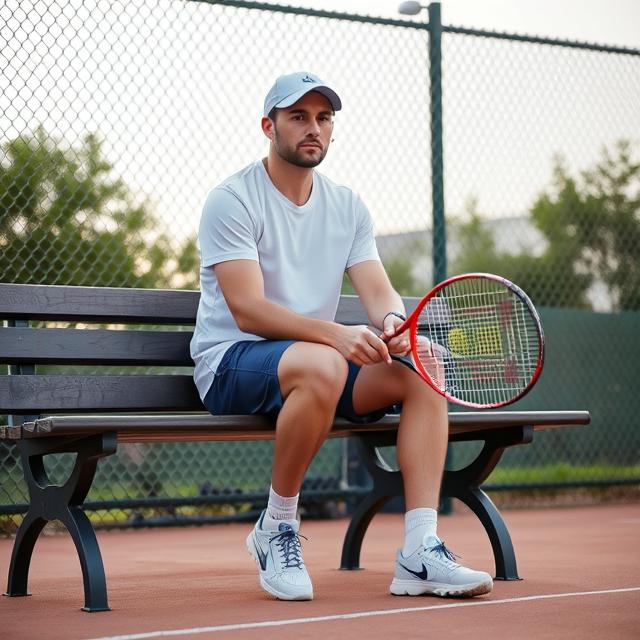
In the world of professional tennis, players often face an uncertain and unforgiving schedule. Matches can be delayed due to various reasons, such as long-lasting previous matches, rain, or medical time-outs. This unpredictability can take a toll on players’ mental and physical well-being, making it challenging for them to stay focused and energized throughout the day.
Players like Carlos Alcaraz and Iga Swiatek have experienced the frustration of waiting for what feels like an eternity to take the court. Alcaraz, for example, warmed up seven times before his semi-final match at Wimbledon, while Swiatek was forced to warm up multiple times during her 2023 French Open semi-final against Beatriz Haddad Maia. The stress and anxiety of waiting can be overwhelming, making it difficult for players to maintain their usual level of performance.
“It’s tough to wake yourself up again,” says Karen Khachanov, the men’s world No 12. “You’re thinking: ‘Should I eat now? Should I just sleep? Should I watch the phone or just look at the roof?’ Sometimes you just don’t really know what to do.”
Players have developed various coping mechanisms to deal with delayed matches. Some, like Alcaraz, engage in physical activities such as playing football or cards to stay energized and focused. Others, like Andrey Rublev, rely on their coaches to provide updates on the match before, allowing them to conserve their energy. Naomi Osaka, on the other hand, finds herself immersed in the match before hers, cheering and living and dying by the live scores.
“I’m usually just on TikTok,” Osaka says with a laugh. “I find myself watching the match before mine, cheering for the other players. It’s weird, but it helps me stay focused.”
The uncertainty of the schedule can also lead to more serious problems, such as late finishes that can be detrimental to players’ health and well-being. Andy Murray’s 4.05am five-set win against Thanasi Kokkinakis at the 2023 Australian Open is a prime example of the absurdity of the situation. To address this issue, the men’s and women’s Associations of Tennis Professionals have initiated a new policy to prevent late matches from starting after 11pm without special approval.
According to the new policy, matches that are scheduled to start after 11pm will only be allowed to do so with special permission from the tournament organizers. This move is aimed at reducing the number of late finishes and ensuring that players have adequate time to rest and recover between matches.
Despite the challenges posed by the unpredictable schedule, top players have learned to adapt and manage their energy levels. Alcaraz, for instance, shrugs off the inconvenience, saying, “It is what it is. We have to get used to it. If I have to warm up two, three times, I’ll do it just to start the match in the best possible shape.”
Other players, like Madison Keys and Daniil Medvedev, have also developed strategies to cope with delayed matches. Keys, for example, tries to stay focused by reminding herself that the other players are going through the same experience. “It’s really just about trying to stay focused,” she says. “It’s really hard, but you just have to try to manage your energy, eat as much as you can, warm up 37 times and just remember it’s happening to the other person, too. That’s all that you can do.”
Medvedev, on the other hand, has a more drastic approach. The Russian says he would consider boycotting matches scheduled to start too early, like 11am. “I’m not coming,” he jokes. “I’ll just take a walkover. I’ll say, ‘Sorry, guys. I didn’t wake up.’”
Ultimately, the unpredictable schedule is a unique aspect of professional tennis that requires players to be resilient and adaptable. As Keys puts it, “It’s a tough sport, but it’s also a great sport. You have to be able to adapt to the situation, to the weather, to the other players. That’s what makes it so challenging and so rewarding.”
The unpredictable schedule is just one of the many challenges that top tennis players face on a daily basis. However, with the help of their coaches, trainers, and mental preparation, they are able to overcome these obstacles and perform at their best on the court.




 The Tower Post