A growing trend of AI-enhanced content is blurring the lines between reality and manipulated media

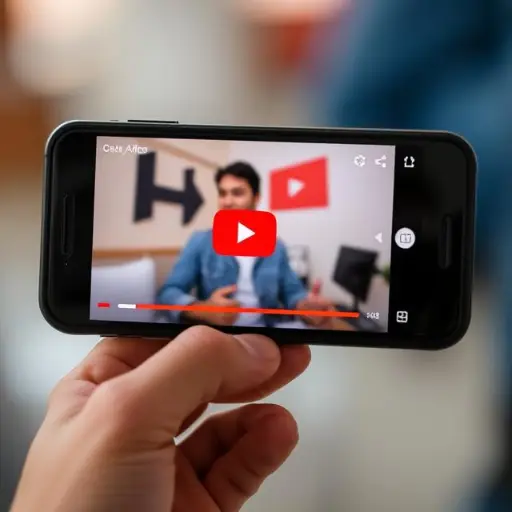
YouTube has been secretly using artificial intelligence to edit videos without users’ knowledge or consent, sparking concerns about the impact on our perception of reality. The company has confirmed that it has been experimenting with AI enhancements on a limited number of videos on its short-form video feature, YouTube Shorts.
The changes are subtle, but noticeable. Wrinkles in shirts appear more defined, skin looks sharper in some places and smoother in others, and ears can warp slightly. While the effects may be minor, some YouTubers are disturbed by the AI-generated feel of their content. “If I wanted this terrible over-sharpening, I would have done it myself,” said Rhett Shull, a popular music YouTuber. “But the bigger thing is it looks AI-generated. I think that deeply misrepresents me and what I do and my voice on the internet.”
The controversy began with complaints on social media in June, with users posting closeups of odd-looking body parts and questioning YouTube’s intentions. The company has now confirmed that it is running an experiment using traditional machine learning technology to unblur, denoise, and improve clarity in videos. According to Rene Ritchie, YouTube’s head of editorial and creator liaison, the goal of the experiment is to provide the best video quality and experience possible.
However, some experts argue that YouTube’s use of AI to edit videos without users’ knowledge risks blurring the lines of what people can trust online. “This case with YouTube reveals the ways in which AI is increasingly a medium that defines our lives and realities,” said Samuel Wooley, the Dietrich chair of disinformation studies at the University of Pittsburgh. “People are already distrustful of content that they encounter on social media. What happens if people know that companies are editing content from the top down, without even telling the content creators themselves?”
This is not an isolated incident. Other companies, such as Samsung and Google, have also been caught artificially enhancing photos and videos using AI. In 2023, Samsung was caught artificially enhancing photos of the Moon taken on its newer devices. The company later issued a blog post detailing the AI behind its Moon photos. Google’s latest device, the Pixel 10, comes with a new feature that uses generative AI in its camera to allow users to zoom up to 100x – far beyond what the camera is physically able to capture.
The trend raises new questions about what photos and videos even represent. “Footsteps in the sand are a great analogy,” said Jill Walker Rettberg, a professor at the Center for Digital Narrative at the University of Bergen. “You know someone made those footprints. With an analogue camera, you know something was in front of the camera because the film was exposed to light. But with algorithms and AI, what does this do to our relationship with reality?”
The use of AI in video editing has been a topic of discussion for some time. In 2020, an AI-generated video of a cat appeared to be indistinguishable from a real cat. The video was created using a technique called deepfakes, which uses machine learning to manipulate audio and video to create realistic fake content.
The implications of AI-generated content are far-reaching. As AI continues to add additional steps between us and the information and media we consume, it’s worth asking: what happens to our shared connection with real life? “We’re living in a world where our reality is being meditated by algorithms and AI,” said Beato, a popular music YouTuber. “It’s a slippery slope, and I’m not sure where it’s going to end.”
YouTube has defended its use of AI, saying that it is an experiment to improve video quality and experience. However, the move has sparked concerns about the impact on creators and viewers. As AI continues to shape our media landscape, it’s essential to have a nuanced conversation about the role of AI in content creation and the implications for our shared connection with reality.