Authorities race to confirm identities after a resort blaze shocks the nation, as investigators search for answers amid a wave of mourning felt across Europe.

Swiss authorities are working through the aftermath of a devastating bar fire at a mountain resort, focusing on the painstaking task of identifying victims while investigators seek to establish how the blaze erupted in a venue that had been filled with winter visitors only hours earlier. The tragedy has cast a somber shadow over the country at the start of the new year, drawing sustained attention from European media and prompting expressions of solidarity from neighboring states.
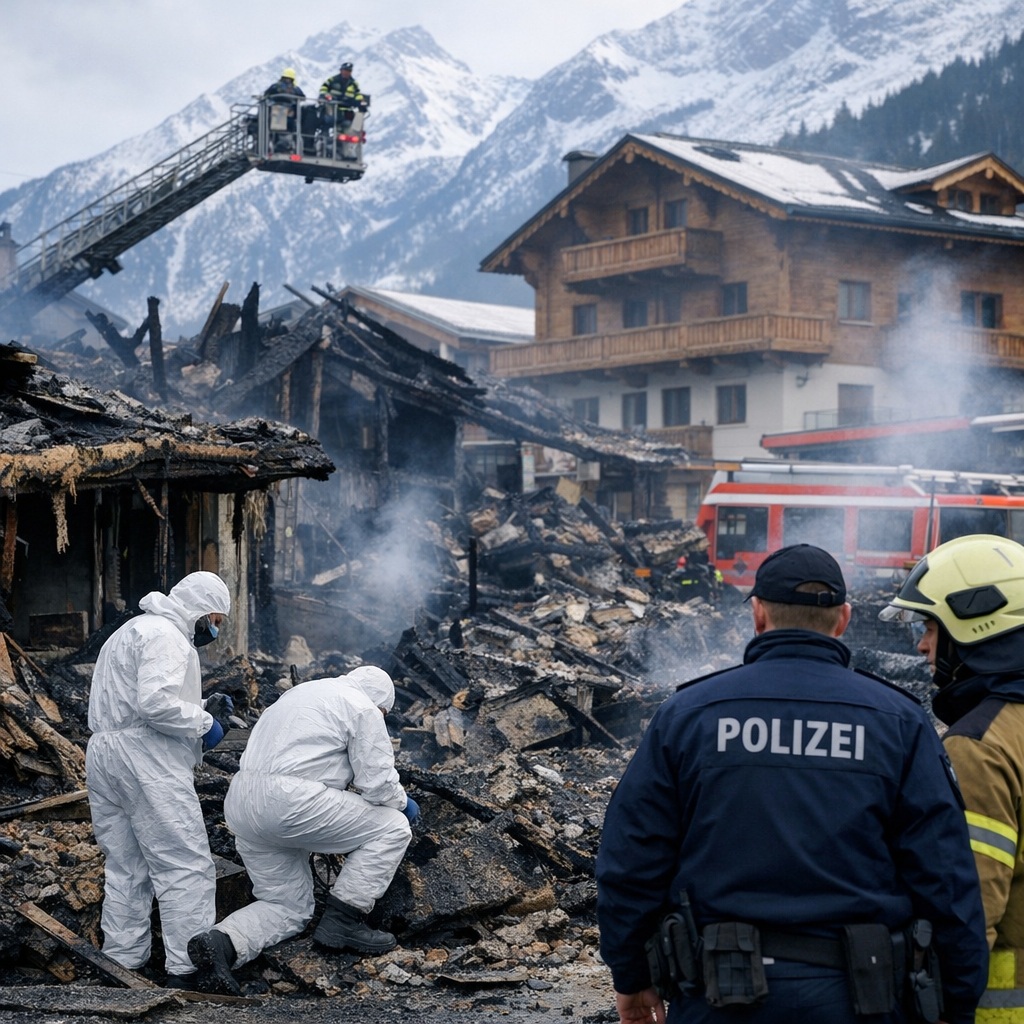
Police and forensic teams have been deployed to support families awaiting confirmation about loved ones who were inside the bar when flames spread rapidly through the building. Officials say the identification process is being handled with particular care, combining forensic methods with personal records and close coordination with relatives. Temporary assistance centers have been set up to provide psychological support and to guide families through administrative procedures that follow such disasters.
The fire broke out in a popular après-ski bar known as a gathering place for seasonal workers and tourists. Witnesses described a scene of confusion and smoke as patrons attempted to escape, with emergency services arriving within minutes. Firefighters battled intense heat in confined spaces, complicating rescue efforts and forcing crews to proceed cautiously to prevent further collapse.
As the immediate emergency phase gives way to investigation, authorities have sealed off the site and begun reconstructing the sequence of events. Specialists in fire dynamics are examining structural materials, electrical systems, and possible sources of ignition. While officials have urged the public to avoid speculation, they confirmed that no hypothesis is being ruled out at this stage.
The tragedy has resonated deeply across Switzerland, a country where alpine resorts are central not only to the economy but also to national identity. Flags have been lowered in several municipalities, and moments of silence have been observed at sporting events and public gatherings. Political leaders from across the spectrum have issued statements expressing condolences and praising the rapid response of emergency services.
Across Europe, the incident has prompted renewed discussion about fire safety in entertainment venues, particularly in seasonal locations that see sharp increases in capacity during winter months. Media outlets in neighboring countries have highlighted parallels with past incidents and questioned whether safety regulations are being enforced consistently as resorts adapt to growing tourist demand.
For residents of the affected community, the loss is intensely personal. Many of the victims are believed to have been seasonal employees who lived locally during the winter, alongside visitors who had traveled from abroad. Local schools, churches, and community centers have opened their doors for vigils, with residents lighting candles and leaving flowers in memory of those who lost their lives.
Authorities have emphasized that identifying the victims is a prerequisite for any official accounting of the disaster. This process, they say, will not be rushed. Officials stress that certainty and dignity for families remain the priority, and updates will be shared only once confirmations are complete.
In parallel, prosecutors are assessing whether any criminal liability may emerge once the cause of the fire is established. This could include scrutiny of safety compliance, evacuation procedures, and the building’s adherence to fire codes. Legal experts note that such inquiries can take months, particularly when multiple jurisdictions are involved due to foreign nationals among the victims.
The bar fire has also reignited debate about the pressures facing alpine resorts during peak season. Local officials acknowledge that balancing economic vitality with safety is an ongoing challenge, especially as climate variability compresses winter tourism into shorter, more intense periods.
As Switzerland mourns, the focus remains on the victims and their families. National leaders have called for unity and patience, underscoring that answers will come only after a thorough and transparent investigation. For now, the quiet streets of the resort town stand as a stark reminder of how quickly celebration can turn into tragedy, and of the shared responsibility to prevent such losses in the future.