Whispers, Screenshots, and Silk: How Fashion’s Biggest Night Is Already Rewriting Its Own Rules

The annual anticipation surrounding the Met Gala rarely waits for official confirmation to reach a fever pitch. This year, however, the excitement has ignited earlier and louder than usual, fueled by what many believe to be a credible leak of the upcoming theme. Within hours, fashion forums, celebrity fan accounts, and industry insiders were dissecting every detail, transforming speculation into a full-scale cultural moment before a single invitation has even been publicly acknowledged.
The rumored concept—still unconfirmed by organizers or Anna Wintour, who oversees the event with her signature discretion—has been described in broad but provocative terms: boundary-pushing, avant-garde, and deeply experimental. While the exact phrasing remains elusive, insiders hint at a theme that encourages reinterpretation rather than homage, a shift that could redefine how attendees approach the iconic steps of the Metropolitan Museum of Art.
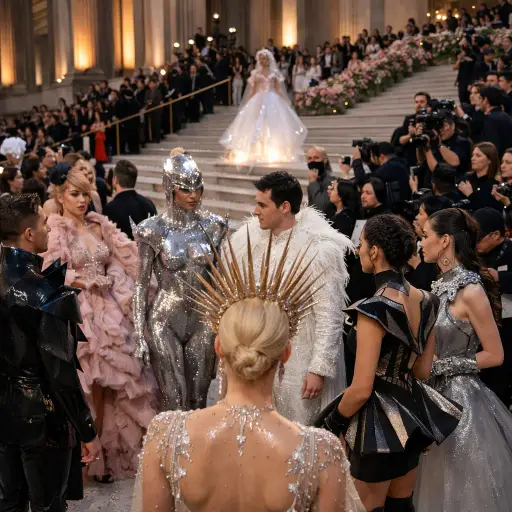
The leak itself appears to have originated from a now-deleted post circulating among fashion students and stylists, featuring what looked like internal mood boards. Grainy images of sculptural silhouettes, metallic textures, and exaggerated proportions quickly spread across platforms, prompting both excitement and skepticism. Yet even as doubts linger about authenticity, the industry has responded as though the concept were already confirmed.
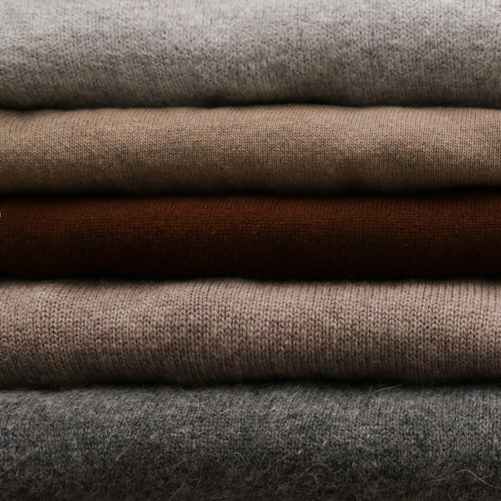
Designers, in particular, have leaned into the ambiguity. Several have begun teasing what appear to be early-stage creations on social media—cryptic sketches, close-ups of unconventional fabrics, and behind-the-scenes glimpses of ateliers experimenting with structure and form. These teasers, often devoid of explanation, have only intensified curiosity.
Among celebrities, the reaction has been equally calculated. A-listers known for their Met Gala dominance are dropping subtle hints: a sudden shift toward more conceptual fashion choices at recent appearances, unexpected collaborations with avant-garde designers, and interviews laced with carefully chosen language about “transformation” and “breaking silhouettes.” While none have confirmed participation or direction, the messaging feels coordinated, as though the red carpet narrative is already being shaped.
Fashion historians note that the power of the Met Gala lies not only in the clothes but in the conversation it generates. In that sense, the leak—intentional or not—has already succeeded in amplifying the event’s cultural reach. By opening the interpretive field early, it invites audiences into the creative process, allowing speculation to become part of the spectacle.
There is also a strategic dimension at play. In recent years, the Met Gala has increasingly embraced themes that encourage intellectual engagement alongside visual impact. If the rumors prove accurate, this year’s concept could represent a further evolution, prioritizing experimentation over strict adherence to a central narrative. That shift would place greater emphasis on individual interpretation, potentially leading to one of the most diverse red carpets in the event’s history.
Industry insiders suggest that this openness is already influencing design decisions. Rather than anchoring their work to a single historical reference or aesthetic framework, designers are reportedly exploring hybrid ideas—merging technology with couture, blending archival inspiration with futuristic execution. The result, if realized, could challenge traditional definitions of elegance and push the boundaries of what constitutes red carpet fashion.
At the same time, the early leak has introduced a new layer of pressure. Without a confirmed theme, designers and stylists risk misalignment, creating looks that may ultimately diverge from the official concept. Yet for many, that uncertainty is part of the appeal. It transforms preparation into a high-stakes creative gamble, where innovation is rewarded and predictability is penalized.
Social media, as expected, has become the primary arena for this unfolding narrative. Hashtags tied to the rumored theme have trended intermittently, while users generate their own interpretations through digital sketches, AI renderings, and mood boards. The line between professional and amateur commentary has blurred, with emerging designers gaining visibility alongside established houses.
Critics, however, caution against overexposure. Part of the Met Gala’s allure has always been its element of surprise—the moment when the doors open and the theme is revealed through fashion itself. By allowing speculation to dominate the weeks leading up to the event, there is a risk that the eventual reveal may feel less impactful.
Still, others argue that the nature of cultural consumption has changed. In an era defined by constant connectivity, anticipation is no longer a passive experience but an interactive one. The leak, whether accidental or orchestrated, reflects this shift, turning the lead-up into an event in its own right.
As preparations continue behind closed doors, one thing is certain: the conversation has already begun. Designers are experimenting more boldly, celebrities are signaling more strategically, and audiences are engaging more deeply than ever before.
If the rumors hold true, this year’s Met Gala may not just showcase fashion—it may redefine how fashion is experienced. And if they do not, the frenzy itself will stand as proof that the event’s influence extends far beyond a single night, shaping trends, expectations, and imagination in real time.
In the end, the true theme may be less about what is worn and more about how it is interpreted—by those who create it, those who wear it, and the millions who watch, speculate, and dream along the way.