A first-in-the-nation bill targets the rapid expansion of energy-hungry data centers, signaling a shift in how states confront the costs of artificial intelligence

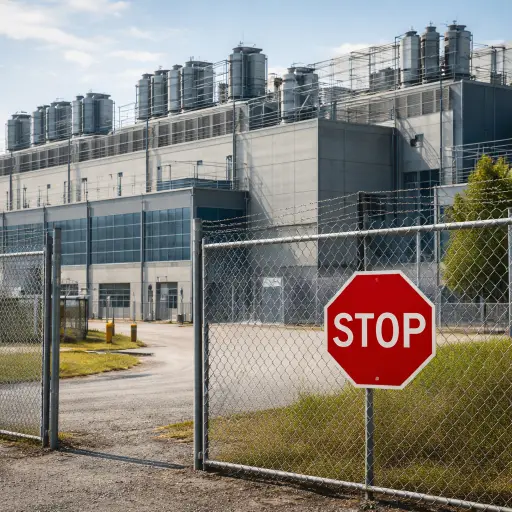
In a move that could ripple far beyond its borders, lawmakers in the U.S. state of Maine have approved a bill that would temporarily halt the construction of large-scale data centers, placing the state at the forefront of a growing national debate over the environmental and economic costs of artificial intelligence.
The legislation, passed this week by the state legislature, reflects mounting concern over the rapid expansion of data infrastructure that underpins the AI boom. While proponents of artificial intelligence tout its transformative potential across industries—from healthcare to finance—the physical footprint required to sustain that growth is drawing increasing scrutiny.
If enacted, the measure would establish a temporary ban on the development of new large data centers, giving regulators time to assess their long-term impacts on energy consumption, water use, and local communities. The bill now awaits the signature of Democratic Governor Janet Mills, whose decision is being closely watched by policymakers, industry leaders, and environmental advocates alike.
Maine’s action marks a notable turning point. Until now, most U.S. states have competed to attract data center investments, offering tax incentives and regulatory flexibility in exchange for jobs and infrastructure spending. But the tide appears to be shifting as communities grapple with the realities of hosting facilities that can consume vast amounts of electricity and strain local resources.
At the heart of the debate is energy. Data centers, particularly those designed to support advanced AI systems, require immense computational power. This translates into a constant and growing demand for electricity—often on a scale comparable to that of small cities. In regions where energy grids are already under pressure, the addition of large data facilities can exacerbate concerns about reliability and rising costs for residents.
Environmental groups in Maine have argued that the state, known for its natural landscapes and relatively modest energy capacity, is ill-suited to accommodate a surge in such developments without careful planning. They warn that unchecked expansion could undermine climate goals and place additional burdens on infrastructure that is not designed for industrial-scale demand.
Supporters of the bill frame it not as an anti-technology measure, but as a necessary pause. By temporarily halting new projects, they say, the state can develop clearer guidelines on where and how data centers should be built, what energy sources they must rely on, and how their impacts should be mitigated.
Industry representatives, however, have expressed concern that the legislation could send a chilling signal to investors. The data center sector has become a key pillar of the digital economy, and companies are racing to build capacity to keep pace with surging demand for AI services. A moratorium, even a temporary one, could redirect investment to other states or regions perceived as more accommodating.
This tension highlights a broader challenge facing governments worldwide: how to balance the promise of AI-driven growth with the physical realities that underpin it. Unlike purely digital innovations, artificial intelligence relies on a vast and energy-intensive network of servers, cooling systems, and transmission infrastructure. The costs of that network are increasingly visible—and increasingly contested.
Maine’s decision comes at a time when similar concerns are emerging in other parts of the United States and beyond. In several regions, local communities have pushed back against proposed data center projects, citing noise, land use, and environmental impacts. In some cases, regulators have begun to reconsider permitting processes or impose stricter requirements on developers.
What sets Maine apart is the scale and clarity of its response. By adopting a statewide pause, lawmakers are effectively acknowledging that the current pace of development may be outstripping the ability of existing frameworks to manage it. The move suggests a growing willingness to intervene more assertively in a sector that has, until recently, operated with relatively few constraints.
The outcome now hinges on the governor’s decision. If signed into law, the measure would make Maine the first U.S. state to impose such a restriction, potentially setting a precedent for others to follow. If vetoed, it would underscore the continued influence of economic considerations and the pressure to remain competitive in attracting high-tech investment.
Either way, the debate is unlikely to fade. As artificial intelligence continues to expand, so too will the infrastructure required to support it. The question facing policymakers is not whether data centers will be built, but where, how, and under what conditions.
For Maine, the answer may begin with a pause—one that could redefine how states approach the invisible engines powering the digital age.