Prosecutors in northern Poland describe a case of “exceptional cruelty” after medical examinations revealed months of brutal abuse suffered by a child placed under state protection.

Northern Poland has been shaken by a case that has reignited public debate over the country’s foster care oversight system after prosecutors charged a young married couple with the exceptionally cruel murder of a three-year-old girl entrusted to their care.
According to investigators, the child died after suffering extensive abuse over a prolonged period. Prosecutors announced that the twenty-seven-year-old man and his twenty-six-year-old wife, who had been acting as foster parents, now face some of the most serious criminal accusations under Polish law. The case emerged after forensic experts concluded that the girl died from burn shock following severe injuries inflicted shortly before her death.
The tragedy has triggered outrage across Poland, where many citizens are questioning how a vulnerable child could remain in an environment that investigators now describe as deeply violent and dangerous. Television station TVN24 reported that autopsy findings and specialist assessments revealed evidence of repeated brutality, including injuries believed to have accumulated over time.
Authorities say emergency services were called after the girl became unresponsive inside the family home. Despite attempts to save her, she was pronounced dead soon afterward. Medical personnel reportedly alerted police after observing signs that the injuries were inconsistent with an accident.
The prosecution office handling the case stated that the child had suffered “extreme physical and psychological violence.” Investigators allege the abuse included beatings, intimidation and severe burns. The details released during the investigation have disturbed even experienced officers involved in crimes against children.
The accused couple deny intentionally killing the child, according to Polish media reports, though prosecutors insist the evidence collected during the investigation paints a clear picture of systematic abuse. If convicted, the pair could face decades in prison or even life sentences.
The case has become one of the most widely discussed criminal investigations in Poland in recent months because the victim had been placed under foster supervision intended to guarantee her safety. Critics argue the tragedy exposes serious weaknesses in monitoring procedures and communication between social welfare institutions.
Child protection advocates say the incident highlights a broader European problem involving overburdened foster systems, understaffed social services and insufficient psychological screening for caregivers. Several organizations in Poland have called for urgent reforms, including more frequent home inspections and mandatory medical evaluations for children considered at risk.
Public anger intensified after reports suggested neighbors and individuals connected to the family may have noticed troubling signs before the girl’s death. Investigators are now examining whether earlier intervention from authorities or social workers could have prevented the tragedy.
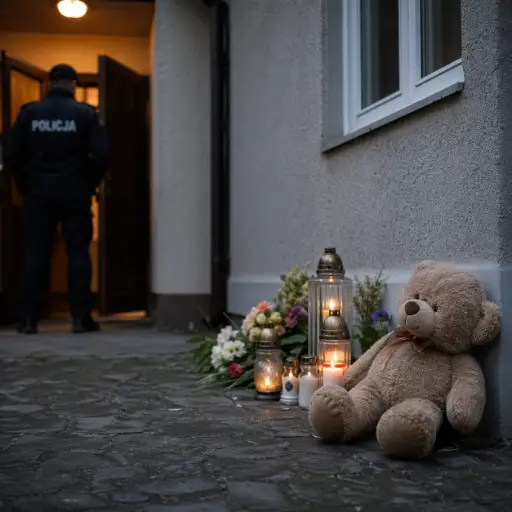
Outside government buildings and local institutions connected to child welfare services, mourners have left flowers, candles and stuffed animals in memory of the young victim. Images shared by Polish media have become symbolic of a national sense of grief and disbelief.
Political leaders and legal experts have also entered the debate, with some demanding stricter penalties for crimes committed against children placed in foster care. Others warn that emotional reactions must not overshadow the need for a careful review of how vulnerable minors are supervised and protected.
The investigation remains ongoing, and prosecutors continue gathering testimony from medical specialists, social workers and witnesses familiar with the family situation. Additional charges have not been ruled out.
For many people across Poland, however, the legal process is only one part of a deeper national reckoning. The death of a child who had already been under state protection has become a painful reminder that safeguarding vulnerable children requires more than regulations on paper. It requires institutions capable of recognizing danger before it becomes fatal.
As the country follows the court proceedings, the case continues to provoke difficult questions about responsibility, oversight and the limits of a system designed to protect those least able to defend themselves.