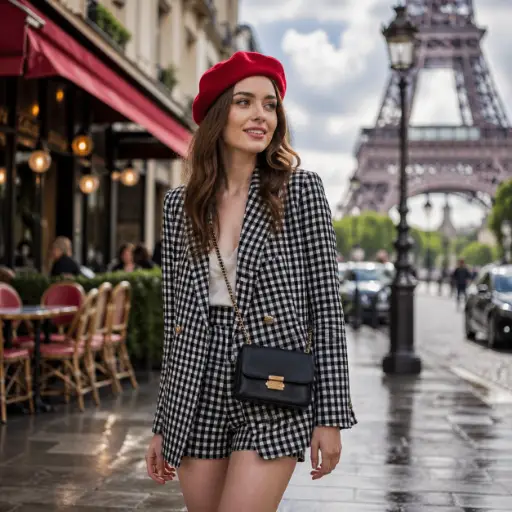
From guilty pleasure to global style phenomenon, the series continues to influence how a generation dresses, shops and dreams about fashion.

When Emily in Paris first appeared on streaming platforms, critics were quick to dismiss it as unrealistic fantasy wrapped in designer clothing. The plot was exaggerated, the characters theatrical and the vision of Paris filtered through an unapologetically glamorous lens. Yet while audiences debated the script, one thing became undeniable almost immediately: the wardrobe had become the true star of the show.
Several seasons later, Emily Cooper’s colorful coats, dramatic accessories and fearless styling choices remain one of the most recognizable visual identities in contemporary television. What started as escapist entertainment has evolved into a fashion reference point that continues to shape trends across social media, luxury retail and even street style. Love it or hate it, Emily in Paris succeeded where many series fail — it created a visual language instantly associated with aspiration, playfulness and modern femininity.
At the center of this phenomenon is the deliberate rejection of traditional Parisian minimalism. For decades, French fashion has been associated with understated elegance: neutral palettes, effortless tailoring and the idea that true chic should never appear forced. Emily Cooper represents the complete opposite. Her wardrobe thrives on maximalism. Bright pinks collide with neon greens, patterned coats compete with statement handbags and oversized jewelry becomes part of everyday office wear.
This aesthetic clash was intentional from the beginning. Costume designers understood that Emily’s outsider perspective had to be visible before she even spoke. Her clothing communicates ambition, optimism and a refusal to blend into the background. In a city where fashion often whispers, Emily dresses to shout.
Ironically, that rebellion against “rules” is precisely what attracted millions of viewers. Younger audiences especially embraced the freedom embedded in the styling. In the age of social media, fashion no longer revolves around fitting into one aesthetic category. Personal style has become a collage of influences: vintage mixed with luxury, sportswear paired with couture, playful experimentation replacing rigid elegance. Emily in Paris captured that cultural shift perfectly.
The impact extended far beyond the screen. Shortly after the series gained popularity, searches for colorful berets, patterned blazers and extravagant phone accessories surged online. Luxury brands benefited from the exposure, while smaller labels worn in the show suddenly found themselves introduced to global audiences. Fashion editors may have criticized the excess, but consumers were buying into it enthusiastically.
The series also arrived at the perfect cultural moment. After years marked by uncertainty, audiences gravitated toward optimistic escapism. Emily’s wardrobe reflects a fantasy world where fashion is joyful rather than practical. Even her most unrealistic outfits feel intentionally detached from everyday stress. That emotional aspect explains why viewers continue returning to the show despite mixed critical reactions. The clothing offers a mood as much as a style inspiration.
What makes the phenomenon particularly interesting today is how the fashion industry itself has evolved closer to Emily’s universe. Maximalism, once mocked by traditional tastemakers, has become increasingly accepted on runways and social platforms alike. Bold color combinations, oversized silhouettes and playful styling now dominate trends that would once have been considered “too much.” In many ways, Emily Cooper anticipated the direction mainstream fashion was already moving toward.
At the same time, the conversation surrounding the show has matured. Early criticism often focused on the idea that the series misrepresented Parisian culture. But viewers gradually stopped expecting realism. Instead, Emily in Paris became appreciated as a stylized fantasy — less documentary, more fashion postcard. Paris functions almost like another character: romantic, exaggerated and permanently photogenic.
This visual strategy reflects a broader transformation within entertainment itself. Streaming-era television increasingly depends on instantly recognizable imagery that can circulate online within seconds. Emily’s outfits are designed not only for scenes but for screenshots, TikTok edits and Instagram posts. Every dramatic coat or eccentric accessory becomes shareable content. The series understands modern viewing habits better than many prestige dramas.
The influence can also be seen in retail spaces across Europe and North America. Stores have embraced brighter displays, younger consumers experiment more confidently with color and “dopamine dressing” remains a powerful concept in fashion marketing. The idea that clothes should spark joy rather than merely appear sophisticated aligns perfectly with the Emily in Paris philosophy.
Of course, the show still divides opinion. For some, the styling remains chaotic and excessive, sacrificing elegance for attention. Others argue that this exact boldness is what makes the series refreshing in a fashion landscape often dominated by repetition and muted luxury trends. But even its critics acknowledge one truth: the costumes became culturally iconic.
Few modern television productions have generated such immediate fashion recognition. Mention Emily Cooper and audiences instantly imagine vivid prints, dramatic coats and impossible heels crossing cobblestone streets. That level of visual branding is rare, especially in an era saturated with content competing for attention.
Ultimately, Emily in Paris represents more than a fashionable television series. It reflects a changing relationship between audiences and style itself. Fashion today is less about strict rules and more about identity, experimentation and visibility. Emily’s wardrobe may not embody classic Parisian chic, but it captures something equally powerful: the desire to be seen, remembered and unapologetically expressive.
And perhaps that is the real reason the series continues to resonate. Beneath the extravagant outfits and glamorous fantasy lies a simple message modern audiences understand instinctively — fashion should be fun.