The AFC/M23 pullback from key positions in South Kivu could open a narrow diplomatic window, but Kinshasa remains cautious as fighting, displacement and regional mistrust persist.

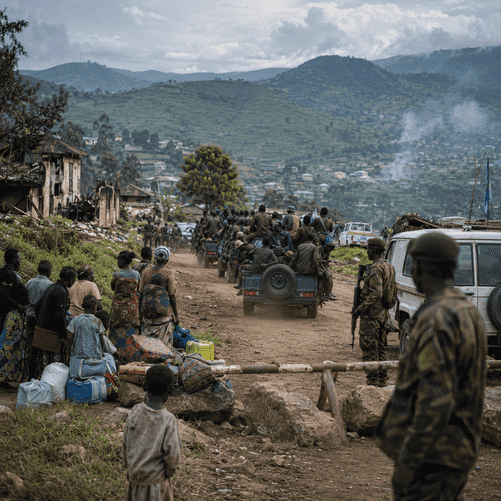
A Rwandan-backed rebel movement has withdrawn from several key positions in eastern Democratic Republic of Congo, marking one of the first significant battlefield shifts in months and raising cautious hopes that international pressure may be altering the trajectory of one of Africa’s most volatile conflicts.
The AFC/M23 rebel group pulled back from parts of South Kivu province over the weekend, according to both the Congolese army and a rebel official. Congo’s military said the withdrawal followed pressure from government forces and diplomatic intervention from Washington, which has been increasingly active in efforts to reduce violence in the mineral-rich east.
The retreat is important because M23 and allied forces have expanded their territorial control over the past two years, deepening a humanitarian crisis that has displaced large numbers of civilians and intensified tensions between Congo and Rwanda. Kinshasa accuses Kigali of backing the rebels, a charge Rwanda has repeatedly denied, while arguing that its own security is threatened by armed groups operating inside Congo.
For Congo’s government, the pullback offers a rare tactical gain, but not yet a strategic resolution. Eastern Congo remains fragmented among armed groups, local militias, foreign-backed forces and state troops. Even when fighters withdraw from one area, the absence of durable security arrangements often allows violence to return quickly.
The timing also matters. The United States has been trying to increase diplomatic leverage in Central Africa, where security concerns are tied to global supply chains for minerals used in batteries, electronics and defense technologies. Stabilizing eastern Congo is not only a humanitarian priority; it is also increasingly viewed as part of a broader contest over access to critical resources.
Still, the withdrawal does not mean the conflict is ending. Rebel forces remain present in other areas, and past ceasefires have repeatedly collapsed. The central question is whether the latest movement reflects a genuine de-escalation or a temporary repositioning under military and diplomatic pressure.
For civilians in South Kivu, the immediate impact will depend on what follows: whether Congolese authorities can restore basic security, whether humanitarian agencies can expand access, and whether displaced communities feel safe enough to return.
The latest development gives diplomacy a small opening. But in eastern Congo, where conflict has endured for decades, even meaningful battlefield changes can prove fragile. The test now is whether pressure from Washington, Kinshasa and regional actors can turn a rebel withdrawal into the beginning of a more durable settlement — or whether it becomes another pause in a conflict that has repeatedly resisted peace.