The alleged mass abduction of more than 300 Iraqi Kurdish men exposes the brutal business model behind parts of Europe’s irregular migration routes.

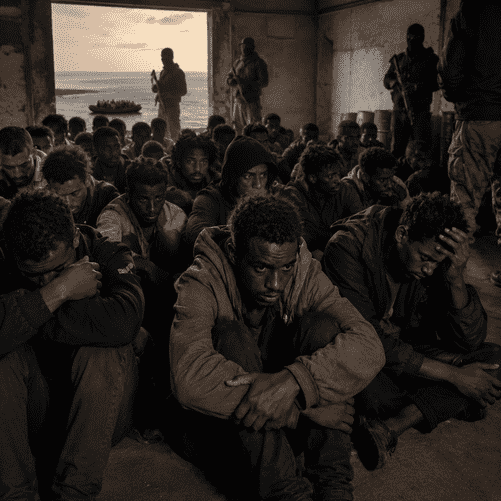
More than 300 migrants attempting to reach the United Kingdom were kidnapped in Libya, tortured, and threatened with forced kidney removal unless their families paid ransom, according to a BBC investigation.
The men, all from Iraqi Kurdistan, were reportedly seized last summer by a militia operating in Libya, one of the most dangerous transit points on the route toward Europe. Their captors allegedly demanded $5,000 per person from relatives, warning that those who failed to pay quickly could have a kidney removed.
The case offers a stark reminder that the journey to Britain does not begin on the beaches of northern France or in the inflatable boats that cross the English Channel. For many migrants, it starts months earlier, across deserts, militia-controlled territory, and smuggling corridors where kidnapping, extortion and violence have become part of the migration economy.
According to the BBC, former hostages described being held in brutal conditions and subjected to beatings and threats. Evidence reviewed by journalists reportedly suggested that forced medical procedures may have taken place, though the full scale of any organ-removal operation remains unclear.
The allegations point to a disturbing convergence of migrant smuggling, militia power and organised criminal exploitation. Libya has long served as a hub for people attempting to reach Europe from Africa and the Middle East. Since the collapse of central authority after the 2011 fall of Muammar Gaddafi, rival armed groups, traffickers and criminal networks have operated across parts of the country with relative impunity.
For Iraqi Kurds seeking a path to Britain, the risks are especially acute. Smuggling routes can involve multiple intermediaries, with migrants passed between groups across borders. At each stage, the original promise of transport can turn into captivity. Families are then forced into a desperate choice: pay, borrow, sell property, or risk the death or mutilation of a loved one.
The ransom demand of $5,000 per person is devastating in a region where many families already go into debt to fund migration attempts. For criminal groups, however, the system is lucrative. Migrants are treated not as passengers, but as human collateral.
The case also complicates the political debate in the UK, where irregular migration is often discussed through the narrow lens of border security and Channel crossings. While British authorities have intensified operations against people-smuggling networks, the Libya allegations show that enforcement at Europe’s edge cannot fully address the violence embedded much earlier in the route.
Human rights organisations have repeatedly warned that migrants in Libya face detention, forced labour, extortion, sexual violence and torture. The latest allegations suggest that some groups may be using threats of organ removal as an additional instrument of terror and financial pressure.
For the released hostages, the trauma is likely to last long after the ransom is paid. Many may still attempt to reach Europe, driven by the same pressures that pushed them to leave in the first place: insecurity, economic hardship, lack of prospects and family obligations.
The kidnapping of hundreds of UK-bound migrants is therefore more than a single criminal episode. It is a window into a shadow system in which migration, profit and violence have become deeply intertwined.
As European governments seek to stop irregular crossings, the question is no longer only how to disrupt boats in the Channel. It is how to dismantle the transnational networks that begin far upstream — and how to protect the people trapped inside them before their journey becomes a hostage crisis.