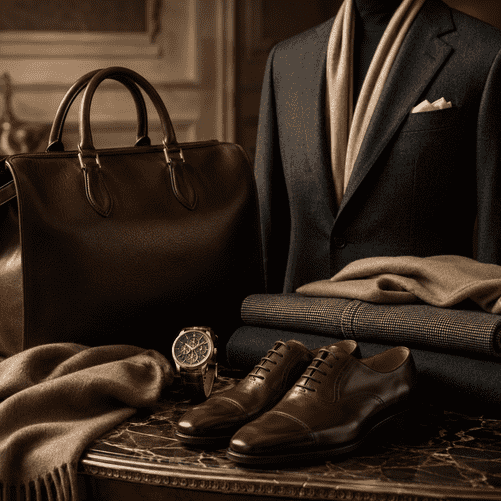
The French fashion house’s acquisition of historic shirtmaker Charvet reflects a wider industry shift toward craftsmanship, permanence and high-end clients amid a fragile global luxury recovery.

Chanel has acquired Charvet, the storied Parisian shirtmaker founded in the 19th century and long associated with bespoke elegance, in a move that underscores how the luxury industry is repositioning itself during a period of slower global growth.
The deal brings one of France’s most prestigious shirtmakers under the control of one of the world’s most powerful privately held fashion houses. Charvet, based on Place Vendôme in Paris, is known for made-to-measure shirts, ties and refined tailoring, serving clients who value discretion, craftsmanship and heritage over seasonal fashion spectacle. Financial terms of the acquisition were not disclosed.
For Chanel, the purchase is more than a niche expansion. It reflects a broader strategy to deepen control over specialist craftsmanship at a time when luxury groups are competing not only on brand power, but also on quality, scarcity and cultural legitimacy. In an industry where consumers have grown more selective, heritage and artisanal credibility have become valuable assets.
The acquisition also comes as the luxury market faces a more cautious consumer environment. After years of rapid expansion, global luxury growth has slowed, pressured by weaker demand in China, inflation-sensitive shoppers in Europe and the United States, and a broader reassessment of pricing across major fashion houses. Bain has forecast only modest growth for personal luxury goods in 2026, with spending expected to rise around 2% to 4% to between €365 billion and €373 billion.
That slower backdrop has pushed brands to rethink what luxury should mean in the next cycle. Instead of relying only on logo-heavy handbags or rapid product drops, leading houses are investing in enduring categories: tailoring, leather craftsmanship, jewellery, couture-level know-how and intimate client services. Chanel’s move into Charvet fits neatly into that shift.
The timing is also significant for Chanel’s internal evolution. The brand is moving through a new creative chapter under Matthieu Blazy, the former Bottega Veneta designer appointed to help guide Chanel’s future direction. His reputation for sophisticated craft and understated luxury aligns with a market where elite consumers increasingly seek products that feel personal, rare and built to last.
Charvet gives Chanel access to a category that is both traditional and highly adaptable. Bespoke shirting sits at the intersection of menswear, womenswear, tailoring and quiet luxury — areas that have gained renewed relevance as affluent clients move away from obvious status symbols and toward subtle signals of taste.
The deal also highlights the continuing importance of Paris as the symbolic capital of luxury. By preserving Charvet’s identity rather than absorbing it into a mass-market expansion strategy, Chanel can present the acquisition as a safeguard for French savoir-faire. That message matters in a sector increasingly concerned with authenticity, especially as younger consumers scrutinize brand values and older clients demand exceptional service.
Still, the acquisition will not solve the industry’s broader challenges. Luxury brands continue to face uneven demand, particularly in China, where Bain has forecast only a fragile and uneven rebound after a sharp contraction in previous years.
Yet Chanel’s move shows where the strongest players may be heading: away from volume and toward depth. In a slower luxury market, growth may depend less on selling more products to more people and more on convincing the world’s wealthiest clients that heritage, rarity and craftsmanship are worth paying for.
Charvet’s shirts may seem like a small piece of the fashion economy. But in today’s luxury landscape, they represent something much larger: a return to the intimate, handmade and enduring qualities that made luxury powerful before it became globalized, digitized and logo-driven.