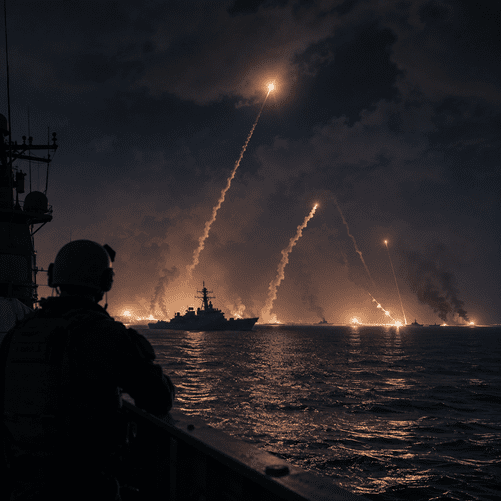
Asian manufacturing and technology exports offer resilience, while higher fuel costs and persistent inflation threaten an already fragile European economy

The International Monetary Fund has lowered its forecast for global economic growth in 2026, warning that geopolitical instability, elevated energy prices and growing trade fragmentation are placing renewed pressure on Europe while producing a more uneven outlook across Asia.
In its latest assessment, the IMF projected that the world economy would expand by 3.0 per cent this year, slightly below the 3.1 per cent forecast issued in April. Growth is expected to recover to 3.4 per cent in 2027, although that would remain below the average recorded during the previous two years.
The revision reflects the economic consequences of conflict in the Middle East, continued disruption to international trade and the risk of a sharp correction in technology-related investment. Global inflation is now forecast to reach 4.7 per cent in 2026 as higher energy and transport costs filter through to businesses and consumers.
Europe appears particularly vulnerable. The region entered the latest period of instability with subdued domestic demand and limited industrial momentum. Although euro-area manufacturing output recently completed its strongest quarter since early 2022, surveys indicate that supply shortages, shipping delays and higher production costs could weaken the recovery.
The European Central Bank has also revised its growth outlook downward while raising its inflation projections for both 2026 and 2027. Officials have cautioned that the economic effects of the Middle East conflict remain uncertain and could prove considerably more severe if energy supplies or international transport routes face further disruption.
Energy remains the central concern. Oil prices have risen substantially since the conflict intensified, while European natural-gas prices remain above their pre-war levels. Higher fuel costs threaten to increase household bills, reduce consumer spending and squeeze the margins of manufacturers already struggling to compete with lower-cost producers abroad.
The situation presents European policymakers with a difficult choice. Keeping interest rates elevated could help control inflation, but tighter financial conditions may further suppress investment and consumption. Easing monetary policy too quickly, however, could allow energy-driven price pressures to spread more broadly across the economy.
Asia’s outlook is more varied. China and South Korea received modest upgrades in the IMF’s projections, supported by manufacturing, technology exports and demand associated with artificial intelligence infrastructure. India’s forecast was lowered slightly, while Japan continues to face weak growth prospects and exposure to imported energy costs.
Recent business surveys suggest that the expansion of semiconductor and AI-related production is helping several Asian economies offset weaker global demand. The region remains a major manufacturing centre, and policymakers are increasingly seeking diversified trading relationships rather than aligning exclusively with either the United States or China.
That resilience should not be overstated. Most Asian economies remain heavily dependent on imported oil, global shipping routes and demand from Western consumers. A prolonged energy shock or further escalation of trade restrictions could quickly weaken exports and raise inflation across the region.
The IMF’s assessment therefore points to an increasingly fragmented global economy rather than a synchronised downturn. Europe faces the immediate challenge of balancing inflation control with the need to revive growth, while Asia is benefiting from stronger industrial and technological investment but remains exposed to the same geopolitical and energy risks.
For governments and central banks, the coming months will test whether economic resilience can withstand another period of expensive energy, disrupted trade and persistent international uncertainty.