Last-minute truce opens narrow path to negotiations, but key fault lines remain unresolved

In a dramatic turn that underscored both the volatility and urgency of the current crisis, all parties engaged in the ongoing conflict agreed to a temporary ceasefire shortly before a deadline set by the President of the United States, Donald Trump. The agreement, reached under intense diplomatic pressure, establishes a two-week pause in hostilities intended to create space for negotiations toward a broader peace arrangement.
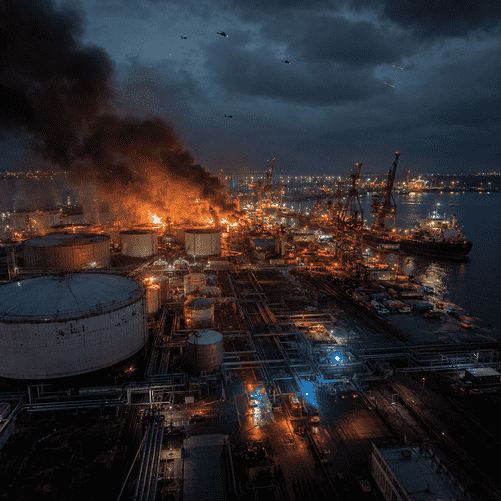
The ceasefire is conditional. According to the framework outlined by Washington, it will take effect only if the strategically vital Strait of Hormuz is reopened to international shipping. The narrow waterway, a critical artery for global energy supplies, has been at the center of escalating tensions in recent weeks. Its closure not only disrupted trade flows but also heightened fears of a wider regional confrontation with global economic consequences.
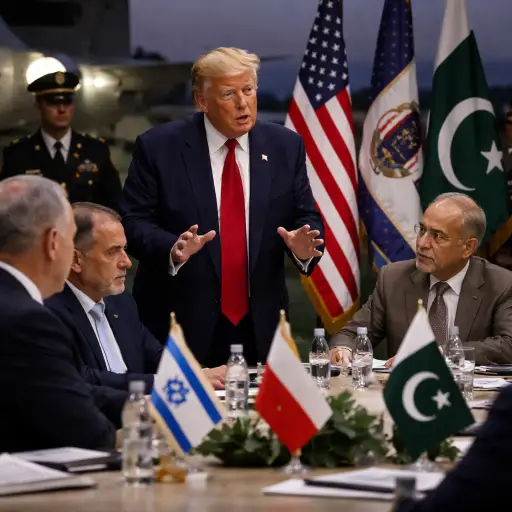
Officials close to the negotiations described the final hours before the agreement as “extremely tense,” with multiple parties holding firm to competing demands. The ultimatum issued by Trump appears to have served as a decisive catalyst, forcing reluctant actors to reconsider their positions. While details of the backchannel diplomacy remain undisclosed, sources indicate that a combination of economic pressure, security guarantees, and international mediation contributed to breaking the deadlock.
The temporary nature of the ceasefire reflects the fragility of the situation. The two-week window is widely seen as a narrow opportunity rather than a definitive step toward peace. Talks are expected to begin in Islamabad, Pakistan, a location chosen for its perceived neutrality and its longstanding role as a facilitator in regional diplomacy. Representatives from the involved parties are anticipated to attend, though the exact composition of delegations has yet to be confirmed.
Despite the cautious optimism surrounding the announcement, significant complications persist. Israeli Prime Minister Benjamin Netanyahu made clear that the ceasefire does not extend to Lebanon, signaling that military operations in that arena may continue. This exclusion underscores the fragmented nature of the conflict, where multiple fronts and overlapping interests complicate efforts to impose a comprehensive halt to violence.
Analysts warn that the partial scope of the truce could undermine its effectiveness. “A ceasefire that does not apply uniformly risks creating new flashpoints,” said one regional expert. “If hostilities continue in Lebanon, it could easily spill over and jeopardize the broader agreement.”
The reopening of the Strait of Hormuz remains a central condition and a potential point of contention. Maritime security in the area has deteriorated amid recent confrontations, with incidents involving commercial vessels raising alarm among global powers. Ensuring safe passage will require coordination not only among the immediate parties to the conflict but also with international stakeholders whose economic interests are directly affected.
For global markets, the announcement of the ceasefire has already had a stabilizing effect, albeit a tentative one. Energy prices, which had surged amid fears of prolonged disruption, showed signs of easing as news of the potential reopening of the strait emerged. However, traders and policymakers alike remain cautious, aware that the situation could quickly reverse if the agreement falters.
Diplomatic observers emphasize that the upcoming talks in Islamabad will be critical. The agenda is expected to cover a wide range of issues, including security arrangements, humanitarian access, and the framework for a longer-term political settlement. Yet expectations are tempered by the recognition that deep-seated grievances and mistrust cannot be resolved within a matter of days.
The role of external actors, particularly the United States, will likely remain pivotal. Trump’s direct involvement in pushing for the ceasefire reflects a broader strategy of assertive engagement, combining pressure with negotiation. Whether this approach can sustain momentum toward a durable agreement remains uncertain.
Humanitarian organizations have welcomed the ceasefire as an opportunity to deliver much-needed aid to affected populations. In many areas, weeks of fighting have disrupted basic services and displaced communities. Aid agencies are preparing to scale up operations, though access and security conditions will be key determinants of their ability to respond effectively.
On the ground, reactions are mixed. In some regions, residents expressed cautious relief at the prospect of a pause in violence. In others, skepticism prevails, shaped by previous agreements that failed to hold. The absence of a comprehensive framework and the exclusion of certain conflict zones contribute to a sense of uncertainty about what the coming days will bring.
As the ceasefire approaches its implementation, attention will focus on whether the conditions attached to it are met. The reopening of the Strait of Hormuz, the behavior of armed forces on multiple fronts, and the willingness of parties to engage constructively in Islamabad will all serve as early indicators of the agreement’s viability.
For now, the region stands at a delicate crossroads. The agreement offers a momentary reprieve and a chance, however slim, to shift from confrontation to dialogue. Yet the underlying tensions that led to the crisis remain largely intact. The coming days will test whether this fragile pause can evolve into something more enduring, or whether it will prove to be only a brief interruption in a conflict that continues to defy resolution.