IEA chief warns of limited kerosene reserves, raising fears of widespread flight disruptions if key maritime route remains blocked

As geopolitical tensions continue to ripple through global energy markets, Europe is confronting a growing concern that could soon be felt far beyond oil terminals and trading floors. The continent’s reserves of aviation fuel—commonly known as kerosene—may be sufficient for only a matter of weeks, according to a recent warning from Fatih Birol, head of the International Energy Agency.
In remarks given to a major U.S. news agency, Birol highlighted the vulnerability of Europe’s fuel supply chain, particularly in the context of ongoing instability affecting one of the world’s most critical energy chokepoints: the Strait of Hormuz. The narrow waterway, which serves as a gateway for a significant portion of global oil exports, has become increasingly uncertain due to regional tensions, raising the possibility of prolonged disruption.
Europe, heavily reliant on imported refined petroleum products, finds itself exposed in such a scenario. While crude oil often dominates headlines, it is refined fuels like jet fuel that sustain daily operations across key sectors—none more visibly than aviation. Unlike some other fuels, kerosene requires specialized refining processes and logistics, making it less flexible in times of sudden shortage.
Industry experts note that a sustained blockage of the Strait of Hormuz could choke off a vital supply route not only for crude oil but also for refined products destined for European markets. In such a case, the consequences could quickly cascade through airports and airlines, forcing difficult decisions about flight schedules, prioritization of routes, and ultimately, cancellations.
Airlines across Europe are already monitoring the situation closely. For carriers operating on tight margins, fuel costs represent one of the largest operational expenses. A sudden shortage would not only drive prices sharply higher but could also lead to physical scarcity, leaving airlines unable to maintain normal flight operations regardless of cost considerations.
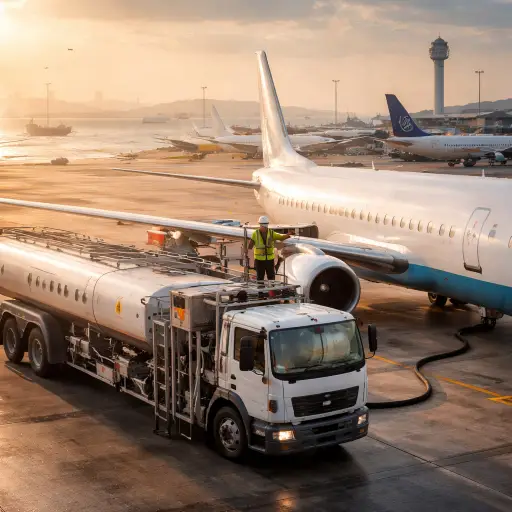
Airports, too, are preparing contingency plans. Some have begun reviewing their on-site storage capacities and supply contracts, while others are exploring alternative sourcing options. However, the interconnected nature of global fuel logistics means that rerouting supplies is neither simple nor immediate.
The potential disruption extends beyond commercial aviation. Cargo flights, which play a crucial role in supply chains for goods ranging from electronics to medical supplies, could also be affected. Any reduction in air freight capacity would likely have knock-on effects across industries, compounding existing economic pressures.
Energy analysts caution that Europe’s limited kerosene reserves are part of a broader structural issue. Over the past decade, refining capacity in parts of the region has declined, even as demand for aviation fuel has rebounded following earlier downturns in air travel. This imbalance has increased dependence on imports from regions that are themselves subject to geopolitical risks.
Governments are now facing difficult choices. Strategic reserves typically focus on crude oil rather than refined products like jet fuel, leaving fewer immediate tools to address a kerosene-specific shortage. Policymakers may need to consider emergency measures, such as prioritizing fuel allocation for essential flights or coordinating supply-sharing agreements among member states.
The situation also underscores the fragility of global energy systems in an era of shifting alliances and persistent regional conflicts. While diversification of supply sources has long been a policy goal, the reality remains that certain routes and regions retain outsized importance.
For travelers, the immediate impact may not yet be visible, but industry insiders suggest that the window for preventive action is narrowing. Should the Strait of Hormuz remain inaccessible for an extended period, the aviation sector could become one of the first to experience tangible disruptions.
In the meantime, airlines, governments, and energy agencies are engaged in a delicate balancing act—seeking to reassure the public while quietly preparing for scenarios that could test the resilience of Europe’s transport and energy infrastructure.
The coming weeks are likely to prove critical. Much will depend on developments far from European shores, in waters where global energy flows converge and where even temporary disruptions can reverberate across continents. For now, the warning from the International Energy Agency serves as a stark reminder: in a tightly interconnected world, the stability of a distant strait can determine whether planes take off or remain grounded.